
LC-MS
Neuron study in rats has shown that low amyloid-beta levels drive early hyperconnectivity while a repurposed oncology drug has reversed key molecular changes linked to mild cognitive impairment
A study from King’s College London has shown that low concentrations of amyloid-beta can trigger early, disease-relevant changes in neuronal connectivity, while a cancer drug has demonstrated the potential to reverse these effects in rat laboratory models.
The research has focused on the earliest detectable phase of Alzheimer’s disease, at which point patients often present with mild cognitive impairment. This clinical state refers to subtle deficits in memory and cognition that precede widespread neuronal loss. Previous work has established that synapse numbers increase at this stage, although the underlying mechanism has remained unclear.
Using rat-derived neurons, investigators exposed cells to amyloid-beta for five days to replicate early pathological conditions. Amyloid-beta is a peptide widely implicated in Alzheimer’s disease – where it aggregates to form plaques – the sticky protein deposits that accumulate around neurons. The study has shown that even low levels of this peptide can induce a marked increase in synaptic connections, a phenomenon termed as hyperconnectivity.
To quantify these changes, the team applied expansion microscopy, a technique that physically enlarges biological samples by five to six times. This approach enabled visualisation of synaptic structures at a resolution of approximately 30 nanometres using fluorescence microscopy.
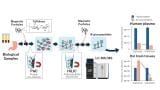
Further investigation employed liquid chromatography–mass spectrometry and rather than altering the overall amount of protein production, amyloid-beta exposure changed the profile of proteins synthesised. The researchers identified 49 proteins whose expression shifted in response to the peptide. These proteins are known to regulate cellular structure, neuronal signalling and energy metabolism.
“Amyloid-beta doesn’t simply increase or decrease protein production – it rewired it. This shift may push neurons into an unstable state that promotes abnormal synapse formation,” said Dr. Kaiyu Wu, first author of the study and doctoral researcher in neuroscience.
One notable finding concerned amyloid precursor protein, the molecule from which amyloid-beta derives. Its increased production suggested a self-reinforcing cycle, in which amyloid-beta promotes conditions that lead to further accumulation of the peptide.
“This suggests the system may act as a self-reinforcing loop in which amyloid-beta promotes conditions that lead to even more amyloid-beta,” Wu said.
The study has also evaluated a therapeutic intervention that targets this early-stage dysregulation. The investigators examined MAP kinase interacting kinase, a regulatory protein involved in translational control, that is to say the process by which cells convert genetic information into proteins. This enzyme is inhibited by the drug eFT508, a compound currently in clinical trials for cancer.
Treatment with eFT508 prevented the increase in synaptic connectivity induced by amyloid-beta. Proteomic analysis showed that the drug restored approximately 70 per cent of the altered protein expression profile. These findings suggest that pharmacological modulation of protein synthesis may stabilise neuronal networks at an early disease stage.
“Our research suggests a promising drug treatment for memory loss in mild cognitive impairment and early Alzheimer’s disease. Next, our findings need to be validated first in suitable animal models, before clinical trials can commence,” said Professor Karl Peter Giese, senior author and Professor of Neurobiology of Mental Health.
The work has contributed to a revised conceptual framework for Alzheimer’s disease progression. Rather than begin with synapse loss, the disease may originate from excessive and poorly organised connectivity combined with selective changes in protein production. Over time, this unstable configuration may render neural circuits vulnerable to degeneration.
“The results of this study contribute to a novel way to think about Alzheimer’s disease. Instead of starting with synapse loss, the disease may begin with too many poorly organised connections, combined with subtle but targeted changes in protein production.
“Over time, this unstable state could make brain circuits more vulnerable, eventually lead to synaptic failure and cognitive decline,” Wu said.
For further reading please visit: https://doi.org/10.1038/s41398-026-03905-x


 Product directory


























.jpg)