LC-MS
High-sensitivity liquid chromatography–mass spectrometry has enabled researchers at West Virginia University to achieve absolute quantification of tricarboxylic acid cycle intermediates across mouse ocular tissues, uncovering marked tissue-specific and sex-specific metabolic differences that may reshape understanding of glaucoma, age-related macular degeneration and other diseases of eyesight
A study by a team from West Virginia University (WVU), Pennsylvania, USA, has provided a detailed metabolic map of ocular tissues through the application of high-sensitivity liquid chromatography–mass spectrometry (LC–MS), offering fresh insight into how energy metabolism varies across the eye and between biological sexes.
Researchers from WVU employed chromatography-based absolute quantification methods to measure tricarboxylic acid (TCA) cycle intermediates in mouse ocular tissues. The work addressed a longstanding challenge in ophthalmic metabolomics, where previous studies largely relied upon relative quantification approaches that could identify metabolic trends but struggled to determine precise metabolite pool sizes and tissue-specific flux dynamics.
The eye represents one of the body’s most metabolically specialised organs. Maintenance of visual function depends upon tightly regulated mitochondrial energy metabolism, particularly within the retina where phototransduction demands exceptionally high energy consumption. The TCA cycle functions as the central metabolic pathway that supplies both biochemical substrates and reducing equivalents essential for retinal activity, corneal maintenance and broader ocular homeostasis.
Until now, uncertainty has remained regarding the extent to which distinct ocular tissues use energy through divergent metabolic programmes. Researchers have also sought to understand whether biological sex exerts a measurable influence upon ocular metabolic architecture through hormone-associated or enzyme-mediated pathways.
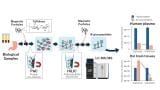
The chromatography-driven LC–MS workflow enabled investigators to construct what they described as a standardised ocular metabolic reference model. Through absolute quantification, the team identified pronounced spatial heterogeneity in metabolite distribution across anatomical regions of the eye.
Data showed that the retina contained substantially elevated concentrations of several critical TCA intermediates, including cis-aconitate, succinate and fumarate. Researchers linked these findings to the retina’s intense mitochondrial oxidative phosphorylation activity and its status as one of the body’s most oxygen-demanding tissues. By contrast, the cornea and lens demonstrated comparatively lower metabolic burdens, consistent with their avascular physiological environments.
This close alignment between tissue function and metabolic phenotype provided a mechanistic explanation for why certain ocular regions display greater susceptibility to metabolic stress and degeneration. The findings may therefore help clarify why disorders such as glaucoma and age-related macular degeneration preferentially affect particular anatomical structures.
The study also identified clear sex-dependent differences in ocular metabolism. Comparative analysis between male and female mice showed that sex acted as a significant biological variable that influenced concentrations of multiple metabolites across ocular tissues.
Female mice exhibited higher baseline concentrations of specific TCA cycle intermediates within the retina and retinal pigment epithelium/choroid complex than male animals. Researchers proposed that these metabolic signatures may reflect differences in sex hormone signalling and the regulation of mitochondrial enzyme expression.
The findings could hold particular relevance for precision medicine strategies in ophthalmology, especially as several degenerative eye disorders display sex-associated prevalence patterns. The researchers suggested that future therapeutic approaches directed at mitochondrial dysfunction may need to account explicitly for sex-based metabolic variation.
Beyond static metabolic measurements, the study also used chromatography-enabled metabolite profiling to assess mitochondrial catalytic efficiency and redox balance through analysis of concentration ratios between selected intermediates. One example included the malate-to-fumarate ratio, which investigators used to monitor metabolic equilibrium under varying physiological conditions.
Researchers observed subtle temporal fluctuations in metabolite abundance, findings that indicated the presence of sophisticated metabolic compensation mechanisms within ocular tissues. According to the study, these dynamic reference models may provide sensitive biomarkers capable of detect early-stage metabolic disruption before overt pathological damage becomes clinically visible.
By quantifying the absolute concentrations of TCA cycle metabolites, the research offered a detailed representation of the bioenergetic landscape that underpins visual physiology. The study also highlighted the importance of chromatography and LC–MS technologies in modern ophthalmic systems biology, particularly where highly sensitive and spatially resolved metabolic analysis is required.
The authors concluded that tissue-specific and sex-specific metabolic organisation forms an intrinsic component of ocular homeostasis. They stated that the reference dataset generated through this work could support future metabolomics studies and improve understanding of the metabolic origins of blinding disease.
The research further reflected a broader transition within ophthalmology from descriptive functional analysis toward precision metabolic characterisation at molecular level. Investigators suggested that this shift may ultimately support development of targeted therapeutic interventions tailored to distinct metabolic phenotypes within the eye.
For further reading please visit: 10.1016/j.edisc.2026.100018


 Product directory