LC-MS
Researchers have reported that high-resolution liquid chromatography coupled with tandem mass spectrometry has enabled the simultaneous measurement of more than 200 environmental chemicals in human serum, revealing that combined exposure to specific flame retardants and per- and polyfluoroalkyl substances is associated with a higher likelihood of overweight and obesity among adults in northern China
Obesity remains a major and escalating public health challenge worldwide, with prevalence increasing steadily across both high-income and rapidly industrialising regions. A growing body of evidence has implicated environmental chemicals as potential contributors to obesity, particularly compounds capable of disrupting endocrine function and lipid metabolism.
Among the substances of concern are organophosphate flame retardants and per- and polyfluoroalkyl substances, both of which are widely used in industrial and consumer applications. However, data that addresses the health effects of complex mixtures of these chemicals within Chinese populations has remained scarce, especially in heavily industrialised areas.
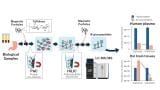
Researchers have now reported findings from a matched case–control study that applied high-resolution liquid chromatography coupled with tandem mass spectrometry (HR-LC-MS/MS) to investigate associations between a broad spectrum of environmental exposures and overweight in adults from northern China. The study included 214 participants, comprising 107 individuals classified as overweight and 107 normal-weight controls.
Overweight status was defined by a body mass index of at least 24 kg/m², in line with commonly used criteria for Chinese populations. Participants were pair-matched by age and sex to reduce confounding related to demographic factors.
Blood samples collected from all participants were analysed using HR-LC-MS/MS, an analytical approach that combines chromatographic separation with highly sensitive and specific mass detection. This methodology enabled the quantification of serum concentrations of 202 environmental exposure substances, including multiple endocrine-disrupting chemicals and persistent organic pollutants, within a single analytical framework.
The authors emphasised that the use of high-resolution LC-MS/MS was critical to capture low-abundance compounds and to distinguish structurally similar chemicals that often co-occur in human samples.
To evaluate associations with overweight, the researchers applied multivariable logistic regression alongside two mixture-based statistical approaches, Weighted Quantile Sum regression and Bayesian Kernel Machine Regression. These models allowed assessment of both individual chemical effects and the cumulative impact of exposure mixtures, while adjusting for key metabolic covariates including blood pressure, lipid profiles and fasting glucose concentrations.
The analysis identified 13 chemicals that differed significantly between overweight participants and normal-weight controls, defined by an absolute log2 fold change of at least one. Ten of these substances were present at higher concentrations in the overweight group. Notable among them were:
tris(2-butoxyethyl) phosphate
1,3,5-triazine-2,4,6-trione tris(2,3-dibromopropyl) ester
perfluorooctanoic acid
perfluorobutane sulfonic acid.
Tris(2-butoxyethyl) phosphate showed a particularly strong association, with an adjusted odds ratio of 2.40 and a 95 per cent confidence interval from 1.79 to 3.33.
When the 13 chemicals were considered collectively using a Weighted Quantile Sum index, higher combined exposure was strongly associated with overweight, yielding an odds ratio of 2.33. Bayesian Kernel Machine Regression further indicated a non-linear cumulative exposure–response relationship, with the greatest estimated risk observed at moderate exposure levels rather than at the extremes.
According to the authors, these findings underscored the importance of considering mixture effects, as individuals are typically exposed to multiple environmental chemicals simultaneously rather than in isolation.
The results were interpreted against the backdrop of global obesity trends. Data from the World Health Organization have shown that the prevalence of obesity among adults aged 18 years and older has more than doubled globally since 1990, reaching 16 per cent in 2022.
Obesity is linked to increased risks of type 2 diabetes, cardiovascular disease, musculoskeletal disorders, neurodegenerative conditions, depression, as well as several cancers and with associated reductions in life expectancy of between five and 20 years. While excessive energy intake and low physical activity remain central drivers, environmental contributors have attracted increasing attention as industrialisation has intensified chemical exposures.
Persistent organic pollutants represent a diverse group of compounds characterised by environmental persistence, bioaccumulation and long biological half-lives. They include intentionally produced chemicals such as certain pesticides and industrial agents, as well as unintentionally generated by-products such as polycyclic aromatic hydrocarbons, dioxins and furans.
Experimental studies have suggested that these substances may activate transcription factors including peroxisome proliferator-activated receptor gamma and CCAAT/enhancer-binding protein alpha, thereby promoting adipocyte differentiation and lipid accumulation.
In the present study, compounds such as bis(1-chloro-2-propyl) phosphate, perfluorooctanoic acid, and tris(2-butoxyethyl) phosphate emerged as influential contributors to overweight risk.
Endocrine-disrupting chemicals were also examined in detail. These exogenous chemicals or mixtures can alter endocrine system function and lead to adverse health effects in individuals or populations. The mechanisms proposed to link endocrine disruptors with obesity include disruption of energy metabolism, altered adipogenesis, and interference with hormonal signalling pathways.
The study identified associations between overweight risk and several such compounds, including 1,3,5-triazine-2,4,6-trione tris(2,3-dibromopropyl) ester, a brominated widely used flame retardant. Experimental evidence has suggested that this compound can affect insulin-like growth factor signalling with potential consequences for cellular proliferation and endocrine regulation.
To minimise bias related to demographic differences, the researchers applied propensity score matching to ensure no statistically significant differences in age or sex between the overweight and normal-weight groups. This step was considered important given that accumulation of endocrine-disrupting chemicals and persistent organic pollutants can vary with age, and that physiological differences between males and females may influence circulating chemical concentrations. The authors also noted that interactions among bloodborne exposures are well documented which further justified the use of mixture-based analytical approaches.
Several limitations were acknowledged whereby the cross-sectional design precluded causal inference, meaning that the observed associations could not establish whether chemical exposures contributed directly to weight gain. The relatively modest sample size limited the ability to explore heterogeneity in detail.
In addition, the study population was drawn from Xuzhou – a major industrial city in northern China – where dietary patterns and environmental exposures may differ from those in other regions. The authors cautioned that future research should consider geographical and dietary variability when extrapolating the findings.
In summary, the study has demonstrated that HR-LC-MS/MS can support comprehensive assessment of complex environmental chemical mixtures in human serum. Using this approach, the researchers identified 13 categories of environmental exposures associated with overweight in adults from northern China, with tris(2-butoxyethyl) phosphate, bis(1-chloro-2-propyl) phosphate, perfluorooctanoic acid, and 1,3,5-triazine-2,4,6-trione tris(2,3-dibromopropyl) ester emerging as particularly notable contributors.
The findings suggest that cumulative exposure to multiple environmental chemicals may play a meaningful role in overweight risk and highlight the value of HR-LC-MS/MS in environmental health research.
For further reading please visit: 10.2147/DMSO.S558970



 Product directory