LC-MS
Published over 9 years ago. See the latest and most current information on LC-MS.
As the planet gets hotter and the anthropogenic influence on climate change is accepted by most scientists and politicians — the search for alternative energy sources increases. One way of reducing the human impact on the atmosphere is to use biofuels — the alternative is to reduce energy consumption, which is unlikely to happen any time soon.
But not all biofuels are equal. A recent paper by a Cornell University scientist — Professor Ludmilla Aristilde — published in the journal Microbial Biotechnology has looked at how bacteria metabolize different sugars and the effect it may have on biofuel yields. Something that could become increasingly important as we attempt to reduce atmospheric temperature increases.
A biofuel is simply a fuel made from plant material — the carbon is fixed in place as the plant grows. The energy comes as the various carbon, hydrogen and oxygen bonds are broken — in fossil fuels, it is carbon hydrogen bonds that are broken to release the required energy. But, the main difference between fossil fuels and biofuels is the time taken to fix the carbon in place. In fossil fuels, it has taken millions of years for the fuels to be made — hence the reason they are non-renewable. But in biofuels, the carbon fixation only takes a few months or years.
Although you might think of biofuels as a new development — they have been around for as long as the car. Henry Ford planned for the original Model T Ford to run on ethanol. And diesel engines have been using vegetable oils for longer than they have used diesel refined from crude oil. Our modern demand for biofuels started in the 1990s as we demanded better fuel economy and lower emissions.
Modern research looks at developing new biofuels from algae as we try to make the biofuel feedstock sustainable. And Professor Aristilde looked at how the bacteria Clostridium acetobutylicum metabolizes different sugars. The bacterium has long been considered a viable biofuel producer — but currently it isn’t considered an efficient producer of biofuels from samples containing mixed sugars. To be efficient at producing biofuels, this is something that must be addressed.
In a press release from Cornell University, Aristilde stated:
“Now, we seek to understand the complexities of utilizing the different sugars we find in plant biomass. So instead of having to separate the different sugars, we look to save time and money by using the whole complex biomass and turn it into fuel.”
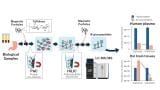
She tracked different sugar carbon atoms as they passed through the bacteria using liquid chromatography mass spectrometry — a technique discussed in the article, Capillary Flow LC-MS Unites Sensitivity and Throughput.
She found that five-ring sugars were incorporated into DNA and didn’t produce biofuels — unlike six-ringed sugars that did make biofuels. Understanding the metabolic pathways through the bacteria used to produce biofuels will hopefully increase their efficiency. Helping man to keep energy rich for longer.

 Product directory