Bioanalytical
Published over 13 years ago. See the latest and most current information on Bioanalytical.
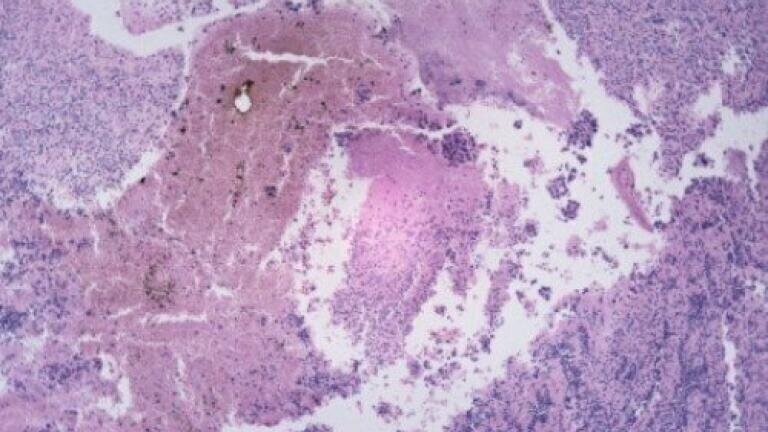
Phase I clinical testing has begun on a new implantable treatment for skin cancer. The vaccine has been designed to target melanoma, which is the most lethal form of the disease. Engineers, scientists and clinicians from the Wyss Institute for Biologically Inspired Engineering at Harvard University developed the implantable treatment as part of their new translational research.
The majority of therapeutic cancer treatments currently being used involve the removal of immune cells from the patient in order for them to be reprogrammed. Once this reprogramming has been completed they are reintroduced to the patient. This new treatment implants a disk-shaped sponge under the skin in order to reprogramme the cells while they are within the patient. The fingernail-sized implant instructs the cells to move through the patient's body and kill all cancer cells. Without the treatment the mice would have been dead within 25 days as a result of the melanoma.
It is possible that the implant could be further developed to help treat other forms of cancer as well as melanoma skin cancer. The preclinical trial, which was published in 'Science Translational Medicine', reported that half of the mice that received two doses of the vaccine displayed total tumour regression.
"This is expected to be the first of many new innovative therapies made possible by the Wyss Institute's collaborative model of translational research that will enter human clinical trials," said Wyss founding director Doctor Don Ingber. "It validates our approach, which strives to move technologies into the clinical space much faster than would be possible in a traditional academic environment. It's enormously gratifying to see one of our first technologies take this giant leap forward."
The starting of human trials has come around very quickly due the promise that the implantable treatment presents in the fight against this potentially deadly form of skin cancer. The Phase I is expected to be complete at some time in 2015 and is being used to assess how safe this new vaccine type is when used to treat human skin cancer.




 Product directory