GC-MS
Comprehensive two-dimensional gas chromatography has identified volatile compounds linked to sweet, caramel, floral and vegetable flavours in cooked sweet potatoes, which could help breeders to develop varieties to consumer preference
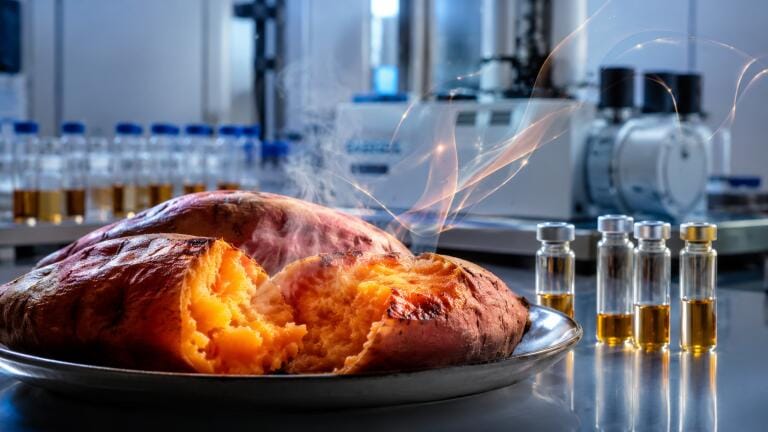
Researchers have used comprehensive two-dimensional gas chromatography–time-of-flight mass spectrometry to identify volatile compounds associated with distinct flavours in cooked sweet potatoes, in work that could help breeders to develop varieties that appeal to different consumer preferences.
The study examined 309 breeding lines derived from parent plants with markedly different flavour characteristics. Researchers from North Carolina State University, Raleigh, USA and the US Department of Agriculture analysed the volatile organic compounds (VOCs) released from cooked samples and combined the results with evaluations from a trained sensory panel.
Comprehensive two-dimensional gas chromatography (GC), coupled with time-of-flight mass spectrometry, provided substantially greater separation capacity than conventional one-dimensional GC. This allowed the team to resolve compounds that might otherwise have co-eluted within the chemically complex samples.
The analysis quantified 295 VOCs, including 106 that had not previously been reported in sweet potatoes. The researchers then selected 42 representative genotypes that covered the principal differences in volatile composition for assessment by the sensory panel.
Panel members identified 13 flavour attributes across the samples. Statistical models linked these sensory characteristics to particular volatile profiles which allowed the researchers to identify compounds that could contribute to recognisable flavours.
The compound 2-furanmethanol showed a strong association with the characteristic sweet potato flavour and with caramel or sweet notes. The analysis also linked d-limonene to a cooked-carrot flavour, 2-pinen-10-ol to pumpkin or squash notes and β-ocimene to a floral character.
Nerol oxide, rose oxide and phenylethanol occurred alongside a baked-potato flavour. Several of the strongest predictors identified by the statistical analysis could not be assigned definitive chemical structures, however, which demonstrated that gaps remain in current mass-spectral libraries.
Previous research into sweet potato flavour has generally examined small numbers of varieties. The large mapping population used in this study allowed the researchers to explore chemical and sensory variation across a much broader genetic background.
The approach could eventually allow plant breeders to use volatile profiles as measurable indicators when they select varieties for flavour. This would complement conventional selection for yield, disease resistance, nutritional composition and appearance.
The findings do not establish that individual compounds alone produce particular flavours. Flavour results from interactions between numerous volatile compounds as well as sugars, acids, texture and human perception. Further sensory and consumer studies will therefore be required to establish which chemical profiles people prefer.
The researchers said the results provided a framework through which to identify VOCs important to sweet potato flavour and to support varietal selection. Future work could examine the genes that regulate the formation of influential compounds and determine how cultivation, storage and cooking alter their concentrations.
The study demonstrates how multidimensional chromatography can connect analytical chemistry with sensory science and crop genetics. This combination could provide a more objective route through which to develop sweet potato varieties with flavours suited to particular markets while retaining the crop’s established nutritional and agricultural benefits.
For further reading please visit: 10.1016/j.foodchem.2026.150697

 Product directory





















.jpg)