Bioanalytical
Published over 12 years ago. See the latest and most current information on Bioanalytical.
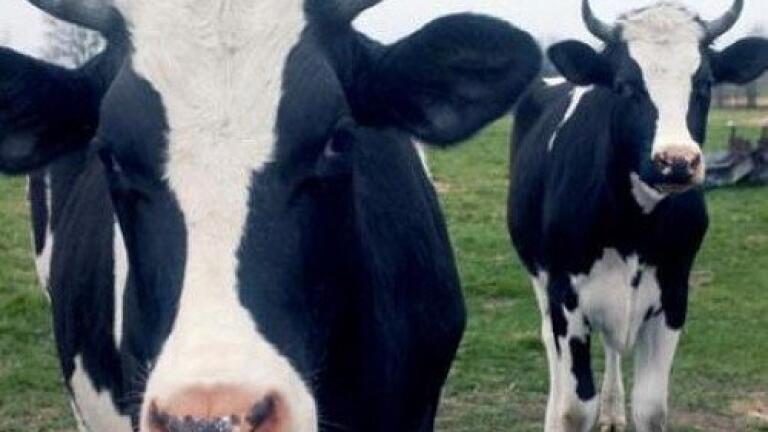
Genetic traits within cattle have been identified that could help with the breeding of livestock that has a greater resistance to bovine tuberculosis (TB). Scientists have found differences in the genetic code of healthy cattle and those that have TB, which could lead to resistant animals and reduce the economic impact of the disease, according to Science Daily.
Researchers, led by scientists at the University of Edinburgh's Roslin Institute, have been able to identify several genetic markers that could help to make cows resistant to TB. The study continues previous research performed by the Roslin Institute, which found that genetics could mean that certain cattle are born with a higher chance of being TB-resistant.
According to researchers, the discovery of genetic markers that could be associated with increased resistance means that TB could possibly be better controlled through breeding methods.
The study involved using the most up-to-date methods of gene identification in order to compare the genes of Holstein-Friesian females and healthy cattle. The data could lead to new methods of reducing the likeliness that cattle will contract TB, which can then go on to infect other forms of wildlife.
Professor Liz Glass, lead researcher on the study, said: "Differences between cattle in their genes is not the only factor in determining whether the animal will get bovine TB or not; various environmental factors as well as differences in the TB bacteria may also affect susceptibility.
"If we can choose animals with better genotypes for TB resistance, then we can apply this information in new breeding programs alongside other control strategies. It is hoped that can help us to more effectively control TB in cattle."
Bovine TB is caused by a bacterium called Mycobacterium bovis, which is able to affect other animals and poses a risk to humans. In further research into this area, the Roslin Institute, Scotland's Rural College and Agri-Food and Biosciences Institute will be looking at genetic predictors for the likelihood of contracting TB in cattle.



 Product directory