HPLC, UHPLC
Published over 7 years ago. See the latest and most current information on HPLC, UHPLC.
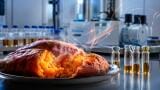
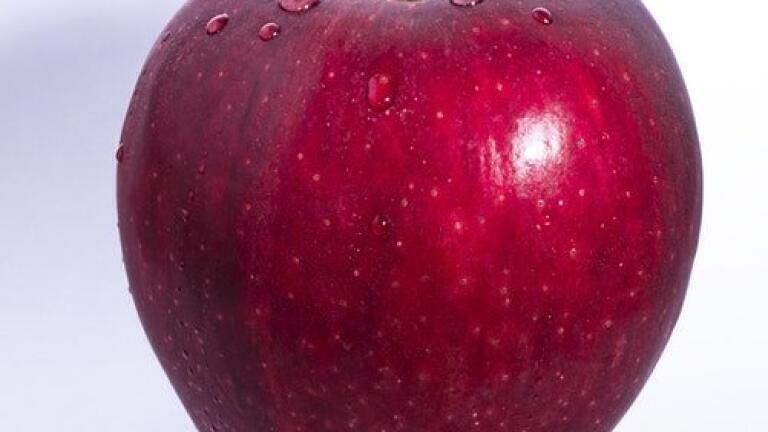
Patulin is a naturally occurring food contaminant found in soft fruits, apples, honey and fruit based based products like fruit juices. It is produced by several species of fungus and has been monitored by bodies like the Food Standards Agency because of its ability to harm both people and animals. A recent paper published in the journal Food Analytical Methods has looked at methods used in the monitoring of patulin. Take a closer look at this metabolite and see how chromatography is helping keep our fruit safe to eat.
Patulin is a heterocyclic lactone, a group that are esters of carboxylic acids. They contribute to the smells of fruits, cheese, butter and other foods. They are also mycotoxin metabolites that are produced by several fungi species including Aspergillus, Penicillium, and Byssochlamys - but in the case of fruit it is mainly the Penicillium species that are studied most.
The mycotoxin is mainly associated with damaged fruit - invading the fruit through bruises or insect damage. The harvesting and storage of the fruit can also impact the levels of patulin found in fruit, and growers have to be aware of how they treat their crop. Previous studies have found that patulin levels can increase when a crop is stored for a long time at ambient temperature.
Patulin has been shown to have mutagenic, genotoxic and neurotoxic effects in animal studies. It can affect a developing foetus - affecting the immune and nervous systems and potentially causing genetic damage. Patulin’s resistance to heat means that the toxins can survive heat treatment during processing and cause deterioration of fruit products like fruit juice. Currently, the mechanism patulin uses to act is not known. Hence the reason why producers and regulators need analytical methods to detect and measure patulin levels.
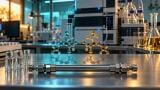
The researchers from Poland looked at existing methods used to analyse patulin levels in foods. They report that modern analytical techniques like QuEChERS - a solid phase extraction technique used for analysing residues in food, quick, easy, cheap, effective, rugged and safe - allows excellent sample preparation before the analysis. High performance liquid chromatography (HPLC) techniques are usually used to analyse for patulin.
Either ultraviolet detectors (UV) or mass spectrometry (MS) are usually used with HPLC. Both of these techniques have weaknesses. The UV method suffers from extended analysis time, which requires a large mobile phase consumption, and patulin is difficult to ionize for mass spectrometry analysis.
The research team suggest that UHPLC - a method discussed in the article, 14 Years on from the Introduction of UHPLC - followed by mass spectrometry should be the favoured way to go for food producers looking for an effective tool to use against the mycotoxin patulin. Although they note, that: ‘great care must be paid to resolve the patulin sensitivity problem on the future path of LC-MS-based methods’.




 Product directory