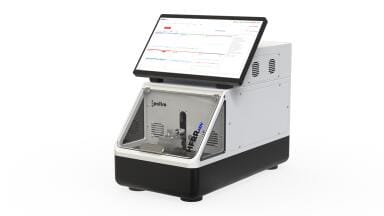
Scientists have used mass spectrometry (MS) methods to investigate high-density lipoprotein proteome dynamics in human endotoxemia.
Endotoxemia is the presence of endotoxins in the blood, which can result in septic shock, hemorrhages and necrosis of the kidneys.
A wide variety of proteins are involved in inflammation, coagulation, lipid-oxidation and lipid metabolism and have been associated with high-density lipoprotein (HDL), with scientists predicting that changes in the HDL proteome may have repercussions for the multiple functions of HDL.
In the study, published by Proteome Science, the team used SELDI-TOF MS profiling to investigate the dynamic changes to HDL protein composition in healthy men with an experimental low-dosage of endotoxemia.
Ten of the subjects had low HDL cholesterol, while the remaining ten had high HDL cholesterol.
The scientists found that those with low HDL cholesterol were more susceptible to a challenge by endotoxin (LPS) than those with high levels, although no quantitative differences could explain why.





 Product directory