Bioanalytical
Published over 12 years ago. See the latest and most current information on Bioanalytical.
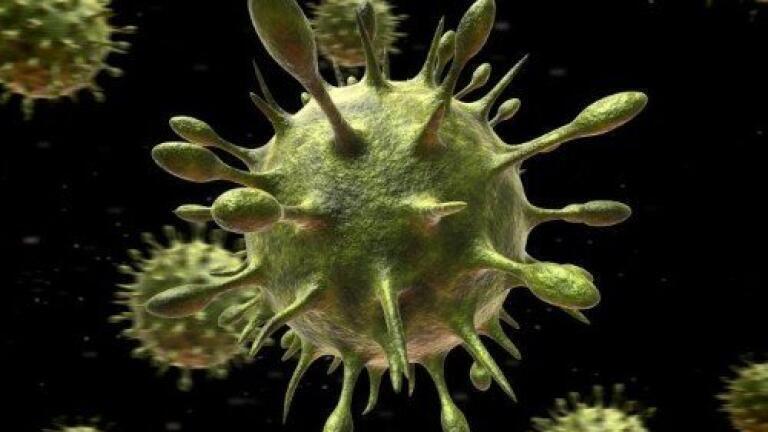
A protein that triggers the first response in the body against viral infection has been discovered. Researchers from Massachusetts General Hospital (MGH), US, have identified an immune cell protein that is responsible for the body's initial reaction against forms of viral infection. The discovery could lead to the development of new treatments for viruses.
The study, published in the journal 'Nature Immunology', reveals that the protein - called GEF-H1 - triggers macrophages to react to different viral infections. This means that the protein is important to the body's initial response, which can be vital to beating off a virus.
Hans-Christian Reinecker, senior author on the study from the Center for the Study of Inflammatory Bowel Disease at the MGH, said: "The detection of viral genetic material inside an infected cell is critical to initiating the responses that signal the immune system to fight an infection and prevent its spread throughout the body."
When an infection invades the body, the innate immune system is the first to respond by releasing white blood cells, antimicrobial peptides and chemical factors. Viruses that have invaded cells usually head toward the nucleus so as to replicate. They can also use the nucleus to add their own genetic material into the cell by moving along microtubules that are used by cells for the internal transport of protein. However, it has not previously been known how this movement of viruses along microtubules triggers a response from the immune system.
The protein GEF-H1 has previously been found to attach to microtubules. It has also been found previously that it plays a role in the recognition of viruses and bacteria in the immune system. The latest research has revealed that GEF-H1 is produced within macrophages and are activated by the initial attack of a virus. It was found that mice who did not have this protein were unable to fight off encephalomyocarditis or influenza A viruses.
Professor Reineker said: “The sensing of intracellular viral nucleic acids for induction of interferons is so important that many viruses, including influenza A, have evolved specific strategies to interfere with activation of the interferon defense system.
“We are hopeful that this discovery will allow the development of new strategies to curtail viral mechanisms that impede the immune responses to infections that are often associated with high mortality rates.”

 Product directory
























.jpg)