HPLC, UHPLC
Researchers in India have developed and validated a robust reverse-phase high-performance liquid chromatography (RP-HPLC) method to analyse orlistat, a leading anti-obesity drug. The method, published in Current Pharmaceutical Analysis, complies with International Council for Harmonisation (ICH) guidelines and has shown high accuracy, precision, and cost-effectiveness. By reducing solvent use and shortening analysis times, the approach aligns with pharmaceutical quality control needs while supporting sustainability objectives
A study published in Current Pharmaceutical Analysis has presented a validated reverse-phase high-performance liquid chromatography (RP-HPLC) method to analyse orlistat, a widely used anti-obesity medicine. The researchers, from the KIET School of Pharmacy in India, reported that the method ensured accurate quantification and complied fully with International Council for Harmonisation (ICH) guidelines.
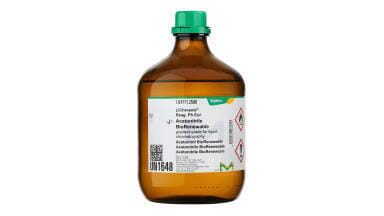
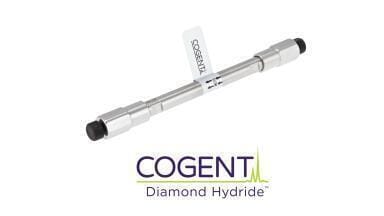
“Our method used an XBridge C8 column and acetonitrile as the mobile phase, which provided sharp peaks and minimal retention times,” said lead author Kandasamy Nagarajan. The method was validated for linearity, accuracy, precision, and robustness, and the results showed excellent correlation with minimal variability.
The researchers confirmed the method’s robustness by introducing small changes in detection wavelength and flow rate, which did not affect reliability for routine analysis. “This method was not only precise but also cost-effective, since it reduced solvent use and analysis time,” said co-author Snigdha Bhardwaj.
The validated method has been shown to be suitable for use in quality control laboratories to quantify orlistat in pharmaceutical formulations. The study also noted its potential for wider applications in pharmaceutical analysis and its alignment with sustainability goals through reduced solvent consumption and shorter analysis times. Further research may seek to extend validation to stability-indicating methods.
For further reading please visit: 10.1016/j.cpan.2025.02.003

 Product directory