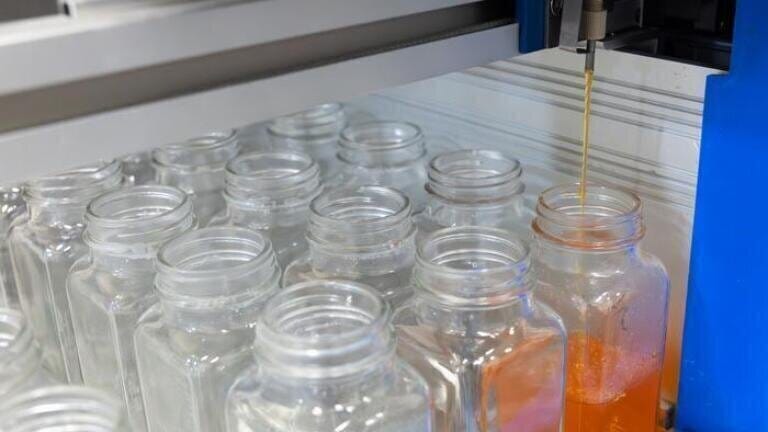
Ion chromatography (IC)
Southwest Research Institute has developed a novel ion-assisted chromatography method that uses calcium salts to purify highly polar compounds at lower cost, with potential applications in peptide-based drug discovery
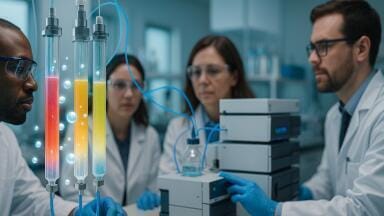
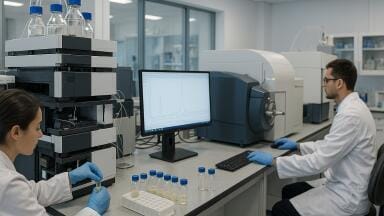
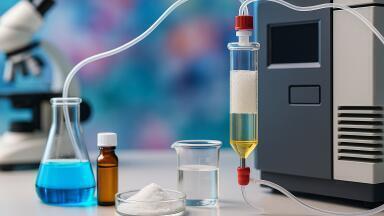
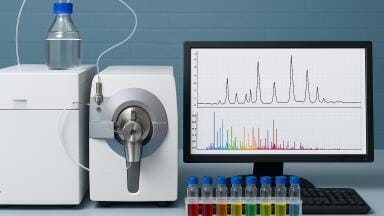
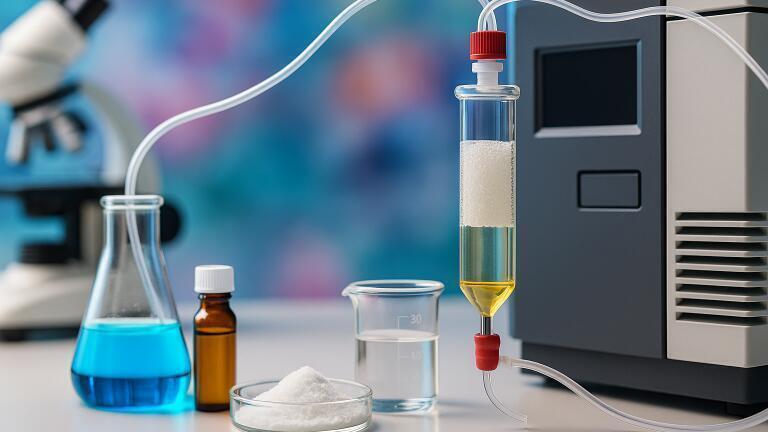
Southwest Research Institute (SwRI) scientists have developed a novel purification method that improves chromatography results without the need for costly materials or specialist equipment. Chromatography is a crucial technique in drug discovery, development and quality control, enabling researchers to isolate and synthesise active pharmaceutical ingredients (APIs) that meet the United States Food and Drug Administration’s purity standards.
“By far the most widely used chromatography purification process relies on silica gel; however, silica fails when purifying extremely polar organic compounds, commonly used in APIs,” said Research Scientist Dr Travis Menard.
“Other purification materials exist but are substantially more expensive. We think we have found a reliable and inexpensive alternative.”
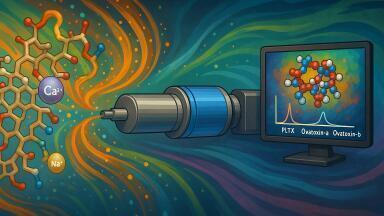
The team reported that the technique was first identified by chance during studies of antidotes to nerve agents and pesticides. By adding calcium chloride to normal-phase chromatography of highly polar compounds, they achieved results comparable to those obtained with more expensive purification materials. The method has proven effective with organic compounds such as amines, amine salts and peptides, which are commonly used as drug ingredients and biologics.
“We made the discovery almost by accident,” said Lead Scientist Dr Shawn Blumberg. “Our deionised water system was offline, so I decided to use tap water with hydrochloric acid. All of a sudden, we achieved really good results.
“Realising that tap water in South Texas contains limestone or calcium carbonate provided the first clue that this technique might work.”
SwRI, which provides contract research and development services to government and industry, has reported that the technique has been refined through its Internal Research and Development (IR&D) programme.
This initiative invests millions each year to allow staff to pursue untested ideas without client obligations. The 2025 IR&D project gave researchers an opportunity to evaluate and optimise the ion-assisted chromatography process with a range of APIs currently in development at the institute.
“Our preliminary results show ion-assisted chromatography may also apply to the purification of peptides. That would be a significant breakthrough,” said Menard.
Further studies are now under way to determine its potential for a growing number of peptide-based pharmaceuticals, including semaglutide and glucagon-like peptide 1 (GLP-1).
Menard is scheduled to present the findings at the American Association of Pharmaceutical Scientists (AAPS) PharmSci 360 conference, to be held in San Antonio from 9 to 12 November 2025.
For more information, visit: https://www.swri.org/markets/biomedical-health/pharmaceutical-development or https://www.swri.org/markets/biomedical-health/pharmaceutical-development/drug-discovery-research.



 Product directory