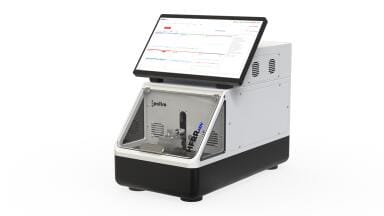
The antifungal components of Schinus terebinthifolius that act against pathogenic Paracoccidioides brasiliensis fungus have been investigated using
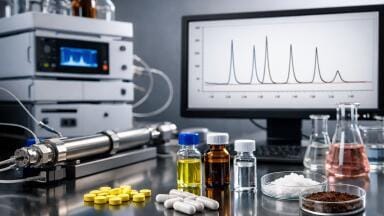
high performance liquid chromatography (HPLC).
HPLC was just one of a number of chromatographic techniques used by the Brazilian team, which included representatives of the Centro de Pesquisas Rene Rachou and Universidade Federal de Minas Gerais in Belo Horizonte and the Universidade Federal de Sao Joao Del-Rei in Divinopolis.
Their findings, published in infectious diseases and antimicrobial research periodical the Annals of Clinical Microbiology and Antimicrobials, discuss four isolated compounds and their efficacy in resisting P brasiliensis.
Both of the first two isolated compounds - schinol and a new biphenyl substance named 4'-ethyl-4-methyl-2,2',6,6'-tetrahydroxy[1,1'-biphenyl]-4,4'-dicarboxylate - showed action against isolates of the pathogenic fungus, with protective effects against a number of different strains.
As a result, the researchers recommend further studies of these two compounds, in order to learn more about the mechanisms behind their action.




 Product directory