.jpg)
GC-MS
Published over 3 years ago. See the latest and most current information on GC-MS.
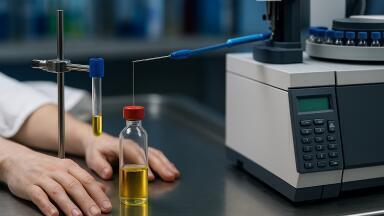
One of the most commonly used analytical instruments for testing pesticides in food is Gas Chromatography-Mass Spectrometry (GC-MS). This technique separates and identifies different chemical compounds in a sample. GC-MS is highly sensitive and can detect pesticides at low concentrations. It can also identify the specific type of pesticide present in a sample. However, GC-MS is time-consuming and requires skilled operators to interpret the results accurately.
Another popular analytical instrument is Liquid Chromatography-Mass Spectrometry (LC-MS). This method separates and detects pesticides using liquid chromatography, which separates the components of a sample based on their chemical properties. LC-MS is highly sensitive and can detect a wide range of pesticides. However, it can be expensive and requires specialised equipment and trained personnel.
In addition to these analytical instruments, there are also various methods for testing pesticides in food. One of the most widely used methods is the QuEChERS (Quick, Easy, Cheap, Effective, Rugged, and Safe) method. This technique involves extracting pesticides from a food sample using a combination of solvents and salts. The extracted pesticides are then analysed using GC-MS or LC-MS. The QuEChERS method is simple, fast, and cost-effective, making it a popular choice for routine pesticide analysis.
Other methods for testing pesticides in food include enzyme-linked immunosorbent assays (ELISA), which detect specific pesticides using antibodies, and biosensors, which use biological components to detect pesticides.
In conclusion, the best analytical instruments and methods for testing pesticides in food depend on the specific requirements of the analysis. GC-MS and LC-MS are both powerful tools for detecting pesticides, but they require specialised equipment and skilled operators. The QuEChERS method is a cost-effective and widely used method that is suitable for routine analysis.
More information online


 Product directory













.jpg)


.jpg)