Gas chromatography
Researchers at Stellenbosch University have reported the first evidence of flavoalkaloids in cannabis leaves, identifying 79 phenolic compounds across three strains. The findings highlight the untapped biomedical potential of cannabis beyond cannabinoids and point to valuable pharmaceutical applications
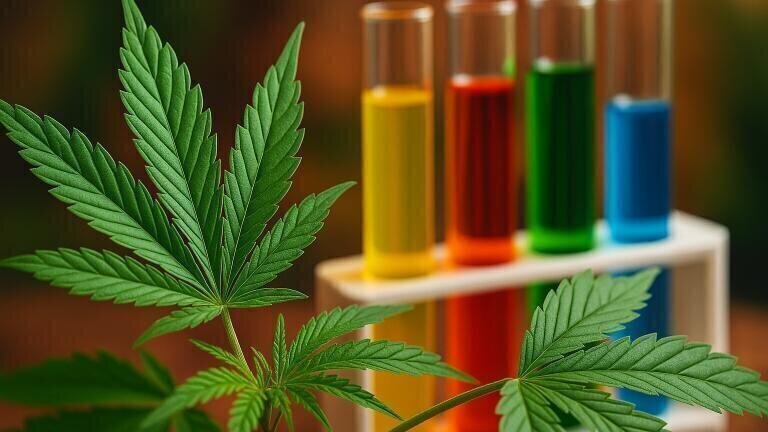
Analytical chemists from Stellenbosch University, in the Western Cape Province of South Africa, have provided the first evidence that cannabis leaves contain a rare class of phenolic compounds known as flavoalkaloids.
Phenolic compounds, particularly flavonoids, are highly valued in the pharmaceutical sector for their antioxidant, anti-inflammatory and anti-carcinogenic properties. In their study, the researchers identified 79 phenolic compounds across three commercially grown cannabis strains. Twenty-five of these compounds had not previously been reported in cannabis, and 16 were tentatively identified as flavoalkaloids. The flavoalkaloids appeared predominantly in the leaves of only one strain.
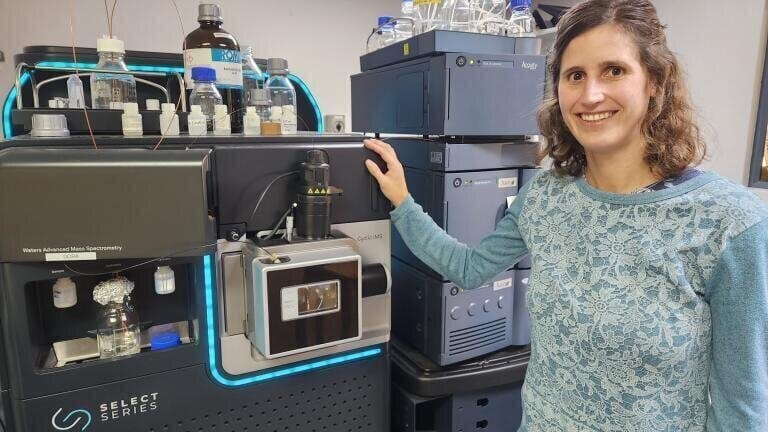
Dr Magriet Muller, an analytical chemist at the Central Analytical Facility of Stellenbosch University and first author of the study, said the analysis of phenolics was a challenge because of their low concentration and structural diversity.
“Most plants contain highly complex mixtures of phenolic compounds, and while flavonoids occur widely in the plant kingdom, the flavoalkaloids are very rare in nature,” she explained.
“We know that cannabis is extremely complex – it contains more than 750 metabolites – but we did not expect such high variation in phenolic profiles between only three strains, nor to detect so many compounds for the first time in the species. In particular, the first evidence of flavoalkaloids in cannabis was very exciting,” she added.
For her postgraduate research in the Department of Chemistry and Polymer Science, Dr Muller developed advanced analytical techniques combining comprehensive two-dimensional liquid chromatography with high-resolution mass spectrometry to characterise phenolic compounds.
“We were looking for a novel application for the methods that I developed, after successfully testing them on rooibos tea, grapes and wine. I then decided to apply the methods to cannabis because I knew it was a complex sample, and that cannabis phenolics had not been well characterised,” she said.
Professor André de Villiers, who leads the analytical chemistry research group at Stellenbosch University and was study leader and corresponding author, said he was struck by the clarity of the results.
“The excellent performance of two-dimensional liquid chromatography allowed separation of the flavoalkaloids from the much more abundant flavonoids, which is why we were able to detect these rare compounds for the first time in cannabis,” he said.
Professor de Villiers added that the discovery underlined the potential of cannabis research beyond cannabinoids.
“Our analysis again highlights the medicinal potential of cannabis plant material, currently regarded as waste. Cannabis exhibits a rich and unique non-cannabinoid phenolic profile, which could be relevant from a biomedical research perspective,” he concluded.
For further reading please visit: 10.1016/j.chroma.2025.466023


 Product directory