

Gas chromatography
Outsourcing routine cannabis and hemp testing can be costly and slow down decision-making. Many producers can wait days for standard tests, such as potency, terpenes, and residual solvent, to return before they can release a batch.
The New Gas Chromatography for the Cannabis & Hemp Industries — 200 Series Buyer’s Guide is designed to help you understand how you can bring these tests internally, without needing a full lab or specialist staff.
The guide starts with the basics. It explains, in plain English, what gas chromatography does and how to read a simple chromatogram. If you’ve ever looked at a third-party lab report and wondered what those peaks mean, this clears that up. It also covers the key terms you’ll see again and again—retention time, calibration, detection limits—and keeps everything easy to understand.
From there, the guide walks through the applications most producers care about. Potency testing comes first, because it’s the number that affects compliance and label accuracy. It shows how a small liquid sample can be injected into the 200 Series GC and turned into clear THC, CBD, and minor cannabinoid values in minutes. With a different method depending on whether you need to identify acidic and neutral cannabinoids individually or simply the total THC/CDB values.
There’s also a section on terpene profiling, which helps track aroma and flavour consistency across batches—something sensory checks alone can easily miss. Residual solvent testing shows how a headspace autosampler helps confirm that ethanol, butane, or propane has been fully removed before release. Finally, there’s an overview of pesticide screening.
To help with planning, the guide breaks down package options, software screenshots, and a realistic timeline for getting started. Most users can move from delivery to their first potency test within hours. Many producers recover their investment in the first year simply by reducing per-sample fees and cutting production delays.
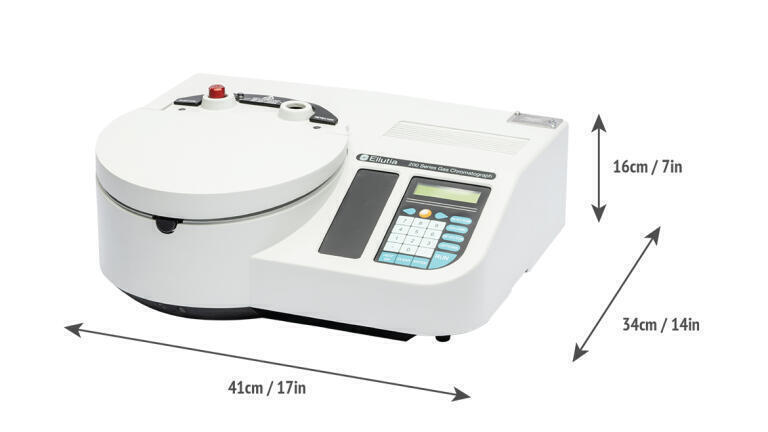
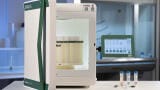
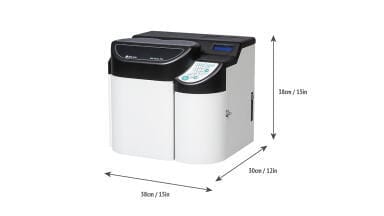
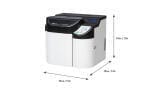
If you work in a small space or don’t have a dedicated lab, the 200 Series GC is compact—about the size of a desktop printer—and the guide shows exactly how it fits into existing workflows. You don’t need to be a chromatography expert. You need fast, reliable data that you can act on.

 Product directory


















.jpg)