Bioanalytical
Published over 12 years ago. See the latest and most current information on Bioanalytical.
Successfully transplanting stem cells has been a significant challenge for research, as the host often rejects them. However, a new study has shown that a new line of genetically modified pigs will host transplanted cells without the risk of rejection.
Rejection can often render experiments useless, which makes any research into experimental treatments long and difficult. This breakthrough could mean that it is much quicker and easier for researchers to test out new theories before human participants are introduced.
R. Michael Roberts, curators professor of animal science and biochemistry and a researcher in the Bond Life Sciences Center, said: “By establishing that these pigs will support transplants without the fear of rejection, we can move stem cell therapy research forward at a quicker pace.”
He explained that pigs are often used in studies as they are more “anatomically similar" to humans than other animals like mice or rats, as they are closer in size and scale and "respond to health threats similarly".
This means that research conducted with pigs is more likely to have similar results when tested with humans, according to the professor.
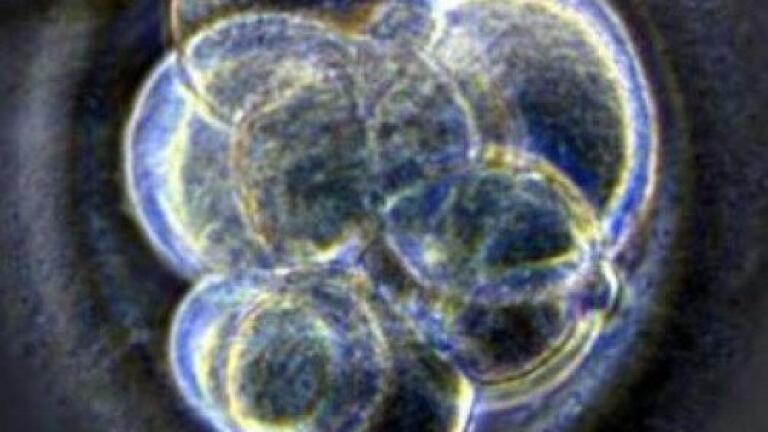
In the study, the researchers implanted human pluripotent stem cells in a special line of pigs, which had been developed by Randall Prather, an MU curators professor of reproductive physiology.
The pigs were specifically created to have immune systems that will allow them to accept all transplants or grafts. Once the cells were implanted in the pig, they were not rejected and thrived, which Professor Prather called "notable" as pigs are much closer to humans.
“Now that we know that human stem cells can thrive in these pigs, a door has been opened for new and exciting research by scientists around the world,” he said. “Hopefully this means that we are one step closer to therapies and treatments for a number of debilitating human diseases.”
The study - 'Engraftment of human iPS cells and allogeneic porcine cells into pigs with inactivated RAG2 and accompanying severe combined immunodeficiency' - was published in the Proceedings of the National Academy of Sciences.




 Product directory