Bioanalytical
Published over 12 years ago. See the latest and most current information on Bioanalytical.
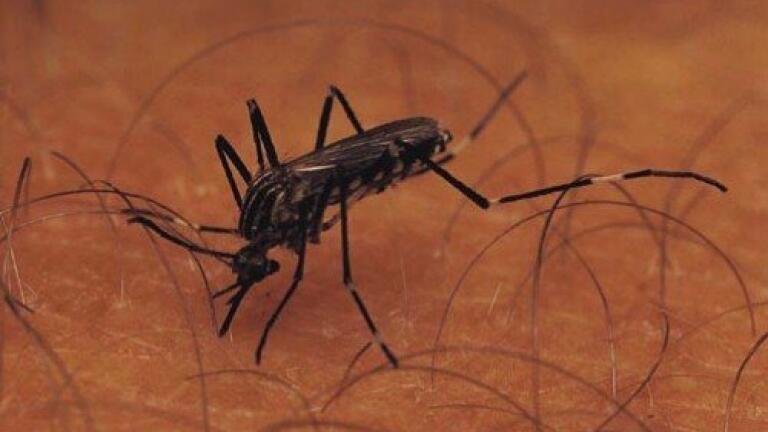
Scientists have uncovered the keys to the production of malaria in mosquitoes, leading to a molecular target that may aid in developing controls for these insects and the disease that accompanies them.
According to a team of researchers at the Harvard School of Public Health and University of Perugia, a switch in female mosquitoes is responsible for the development of eggs that lead to the spread of malaria.
Associate professor of immunology and infectious diseases at HSPH and UNIPG Flaminia Catteruccia said: "These findings represent a significant step forward in our understanding of how these devastating malaria vectors reproduce."
This switch, which is a Mating-Induced Stimulator of Oogenesis (MISO) protein, can be activated by a male hormone delivered during intercourse but the scientists believe that they can use chemical techniques to block this.
Additionally, the male produces a steroid hormone called 20-hydroxy-ecdysone (20E) that it transfers to the female during intercourse. The combination of 20E and MISO sends a signal out within the female to produce more eggs as it boosts the accumulation of lipids in the ovaries.
Malaria is known to be the leading cause of death in tropical and sub tropical regions of the world. According to the World Health Organisation (WHO), it is thought that there were between 154 million to 289 million cases of malaria worldwide in 2010. As a result, somewhere between 490,000 and 836,000 people died of the disease.
People in the poorest parts of the world are considered to be most at risk from malaria, with 90 per cent of deaths occurring in Africa. The majority of these mortalities occurred to children under the age of five.
WHO adds that 3.3 billion people across the globe, half of the population of the world, are at risk of contracting malaria. Nevertheless, there has been improvement in the control of malaria and mortality rates have decreased by 25 per cent around the world with the figure rising to 33 per cent in Africa.




 Product directory