Bioanalytical
Published over 12 years ago. See the latest and most current information on Bioanalytical.
A study, published in the Development journal, has regenerated an elderly organ to a youthful state for the first time.
The research, conducted at the University of Edinburgh, found that by manipulating the DNA they were able to rejuvenate the thymus in mice. The organ is critical for immune function and becomes smaller and less effective as it gets older, making people more vulnerable to infections.
During the study, the function of the thymus was restored and the mice started to produce more white blood cells called T cells, which are important for fighting off infection. However, it is not yet clear whether the immune system itself improved in the mice.
Researchers at the University of Edinburgh and the Medical Research Council (MRC) Centre for Regenerative Medicine targeted a protein produced by the thymus called FOXN1, which helps to control how genes are activated. By increasing levels of the protein, the team instructed stem cell-like cells to rebuild the organ.
Clare Blackburn, professor of Tissue Stem Cell Biology, MRC Centre for Regenerative Medicine, said: "Our results suggest that targeting the same pathway in humans may improve thymus function and therefore boost immunity in elderly patients, or those with a suppressed immune system.
However, before the test can be transferred to human subjects the team "need to carry out more work to make sure the process can be tightly controlled".
It's unclear why the thymus shrinks over time but one theory speculates that it needs a great amount of energy to run, which the body starts to divert towards reproduction during adolescence.
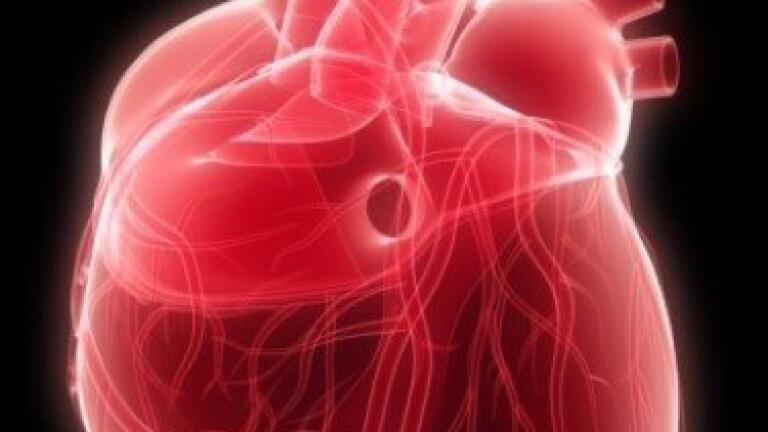
The study could be the first step to rejuvenating other organs in the body, such as the brain or heart, by targeting a single gene. It could also help people with DiGeorge syndrome, a genetic condition that means the thymus does not develop properly.
"One of the key goals in regenerative medicine is harnessing the body's own repair mechanisms and manipulating these in a controlled way to treat disease. This interesting study suggests that organ regeneration in a mammal can be directed by manipulation of a single protein, which is likely to have broad implications for other areas of regenerative biology," said Dr Rob Buckle, head of Regenerative Medicine, MRC.



 Product directory