Bioanalytical
Published over 14 years ago. See the latest and most current information on Bioanalytical.
An innovative vaccine has been developed which could treat nicotine addiction in one single dose, researchers have claimed.
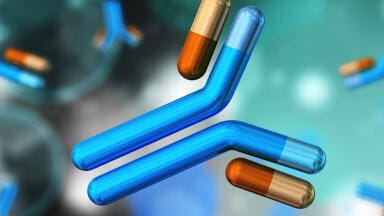
Scientists at Weill Cornell Medical College have developed and successfully tested the new vaccine on mice, finding that the single dose protects mice against a life-long addiction of nicotine. It uses the animal's liver as a production site which continuously produces antibodies that eat nicotine the moment it enters the bloodstream. This then prevents the chemical from reaching the brain and heart.
The study, published in the journal Science Translational Medicine, has been hyped as a 'smoking vaccine' for children and others that don’t smoke. However, it is difficult to tell yet whether the vaccination would be safe and effective, or who would be eligible for it, which means it could be some time before we see it on the market.
Leading researcher, Dr. Ronald G. Crystal, chairman and professor of Genetic Medicine at Weill Cornell Medical College explains: "As far as we can see, the best way to treat chronic nicotine addiction from smoking is to have these Pacman-like antibodies on patrol, clearing the blood as needed before nicotine can have any biological effect.
"Our vaccine allows the body to make its own monoclonal antibodies against nicotine, and in that way, develop a workable immunity."
He added that the reason for previous failures was down to the antibody, which previously led to the effects only lasting for a matter of weeks. Considering that 70 to 80 per cent of smokers who quit pick up the habit again within six months, this was rendered inefficient.
However, the new treatment lasts significantly longer, and could prove to be a vaccine for life. Considering that 20 per cent of American adults smoke, more in many countries, this could cut the loss of life by hundreds of thousands.
Posted by Ben Evans




 Product directory