Bioanalytical
Published over 12 years ago. See the latest and most current information on Bioanalytical.
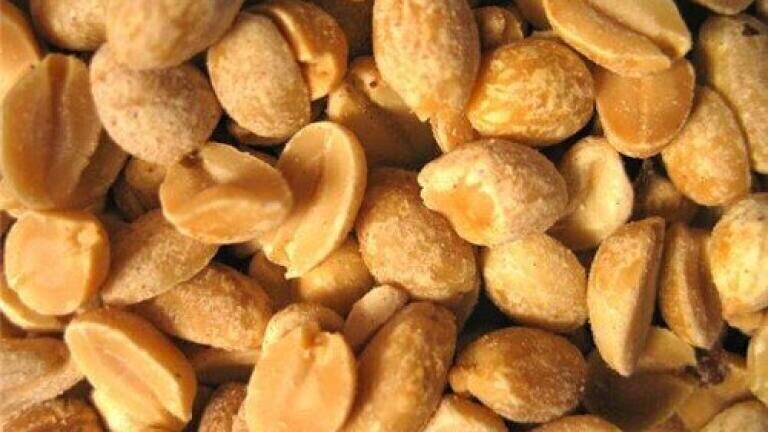
Children that suffer from a peanut allergy could end up able to eat small amounts of the legume when treated with immunotherapy. A new study has revealed that having younger patients - children and adolescents - consume growing amounts of peanut protein regularly could help make them more immune to their allergy.
Published in the medical journal 'The Lancet', the phase two clinical trial was found to allow children to tolerate larger amounts of peanut protein after a six-month period.
The children and adolescents involved in the study were treated with oral immunotherapy, which saw them consume increasing levels of peanut protein regularly. This treatment helped to build-up their tolerance to the legume, meaning that they were able to eat larger amounts of it without experiencing a negative reaction.
After six months of the treatment, between 84 and 91 per cent of patients were able to ingest 800 milligrams of peanut protein everyday without suffering any effects. This tolerance equates to around the same amount of protein that is found within five peanuts, representing around 25 times more than the amount of the legume that they were able to tolerate before undergoing the treatment.
Dr Andrew Clark from cambridge University Hospitals said: "This treatment allowed children with all severities of peanut allergy to eat large quantities of peanuts, well above the levels found in contaminated snacks and meals, freeing them and their parents from the fear of a potentially life threatening allergic reaction. The families involved in this study say that it has changed their lives dramatically".
Some 99 children between the ages of seven and 16 were included in the study and were either assigned to receive 26 weeks of oral immunotherapy or peanut avoidance. They were then involved in a double-blind placebo controlled food challenge, which saw them eat growing amounts of peanut protein under medical supervision. This enabled researchers to see what levels of peanut protein consumption resulted in a reaction.
In the second part of the study the control group underwent 26 weeks or oral immunotherapy, followed by the same food challenge.




 Product directory