Bioanalytical
Published over 12 years ago. See the latest and most current information on Bioanalytical.
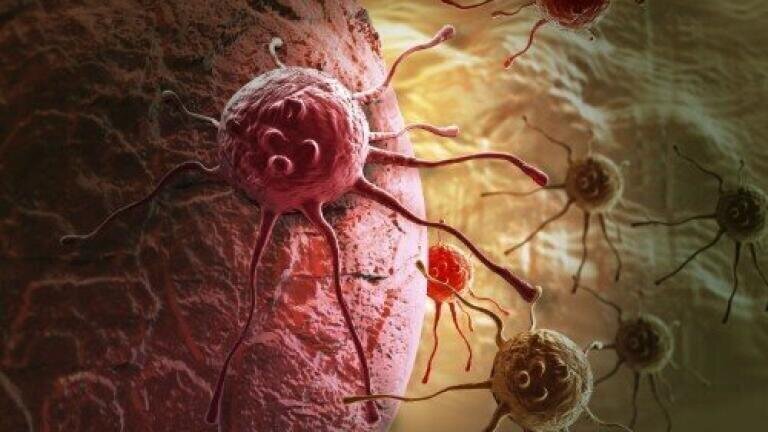
Researchers at the Johns Hopkins Kimmel Cancer Center have found that an enzyme, which is involved in the regulation of immune system T cells, could be used as a new treatment for asthma and boost the effects of particular cancer therapies.
The study, which is published in the latest version (April 6th) of 'Nature Immunology', found that mice without the enzyme SKG1 were resistant a type of asthma induced by dust mites. It also found that those who were missing the enzyme and also had melanoma, developed less than half as many lung tumours than those with SKG1.
Dr Jonathan Powell, professor of oncology at the Johns Hopkins Kimmel Cancer Center, said that developing a drug that can block the enzyme, in a way that mimics what happens when the enzyme is missing, could not only inhibit asthma but also help the immune system for patients fighting cancer.
The ability of SKG1-blocking compound to have dual capabilities is unusual but is a result of the enzyme's role in a key pathway linked to T cells. This can either tell the immune system how to work or seek and destroy foreign cells.
Dr Powell and his research team focused on the SKG1 because it uses the same pathway as the protein mTOR, which they have based previous studies on. The mTOR pathway helps T cells decipher signals from their environment and prompts the cells to transform into specific T cell types.
As part of this pathway, SKG1 helps the production of the signaling protein called interferon-gamma. However, when SKG1 is inactive, T cells produce increased amounts of interferon-gamma, which appear to be useful in fighting tumour cells.
Dr Powell said that a SKG1-blocking drug could be used along with other cancer immunotherapies to act as a booster to enhance the effects of other medication. In particular, experimental cancer immunotherapies, including vaccines and so-called checkpoint blockade inhibitors, have been the main focus of intense research in recent years.
During the study, the researchers also found that SKG1 promotes the production of T helper 2 cells, which become overactive in asthma and other allergies. By producing a drug that could block this, it could help block the inflammation that causes asthma and other allergic reactions.




 Product directory