Bioanalytical
Published over 13 years ago. See the latest and most current information on Bioanalytical.
The University of Sheffield has been working with Sheffield Children's Hospital on a new treatment for brittle bone disease. The study is the first to look at the effects that the drug risedronate has upon children suffering with Osteogenesis Imperfecta.
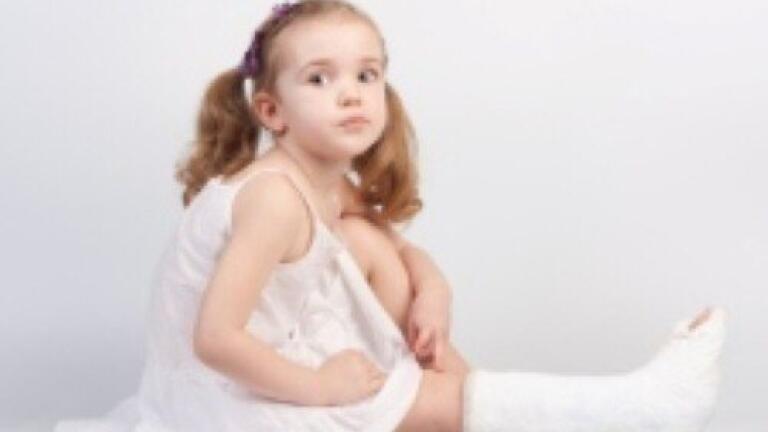
Children suffering from Osteogenesis Imperfecta have incredibly fragile bones that are prone to fracturing easily. Around one in 20,000 children suffer from the disease that means the chances of them breaking a long bone is around 100 times higher than a person not suffering from the disease. Many of the children end up suffering from a severe spinal injury and others develop deformed limbs.
The new study has found that not only does risedronate help to reduce the chances of fractured bones in children suffering from brittle bone disease, but it also works incredibly quickly. The Phase III clinical trial showed that the drug had measurable effects after as little as six weeks of treatment.
The drug was used to treat 147 children aged between four and 15, suffering with mild forms of Osteogenesis Imperfecta. The participants were randomly assigned either a year-long treatment of risedronate or a placebo. Results of the trial show that those children that were taking the drug orally had a reduced risk of fractures.The drug was also tolerated quite well by participants.
Risedronate is a bisphosphonate. These types of drugs are widely used as a treatment for osteoporosis as they help to bind the hydroxyapatite (HAP) found within the bone, which helps to block bone resorption. Risedronate has a low bind to mineral in the bone, which allows it to have a wider distribution throughout the bone; possibly helping to strengthen more of the skeletal structure at a faster rate than other drugs.
Nick Bishop, Professor of Paediatric Bone Disease at the University of Sheffield, said: “We wanted to show that the use of risedronate could significantly impact on children's lives by reducing fracture rates — and it did. The fact that this medicine can be given by mouth at home (other similar medicines are given by a drip in hospital) makes it family-friendly.”




 Product directory