Following reports of
pharma effects on tauopathies - neurodegenerative disorders linked to the tau protein - using aminopeptidases, scientists at the University of Kentucky have found contrary evidence.
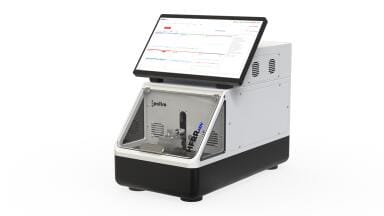
Writing in Molecular Neurodegeneration, they explain how they applied mass spectrometry and molecular sieve chromatography to determine whether the apparent
pharma benefits in the previous reports could be supported experimentally.
The significance of their study arises from the aggregation of the tau protein in a number of degenerative conditions and the desire to understand more about clearing it in the brain.
However, when studying the cleavage reaction of tau to the puromycin sensitive aminopeptidase (PSA), the scientists were able to show that the results could occur independently of the PSA itself.
"It is concluded that PSA does not directly cleave tau," the team write in their research report.
Molecular Neurodegeneration disseminates research findings relating to cellular or molecular studies of degenerative neurological conditions.




 Product directory