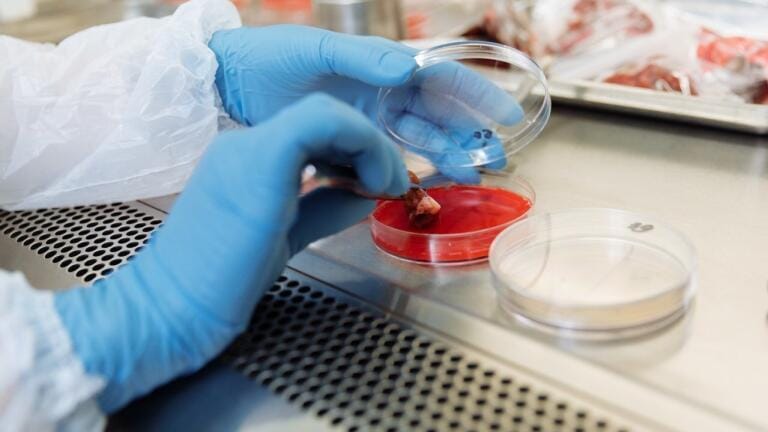
Solid phase extraction (SPE)
Published over 4 years ago. See the latest and most current information on Solid phase extraction (SPE).
Extraction is one of the most common techniques for sample preparation. It involves extracting the analyte of interest from the sample matrix. There are various ways to do so, from solid-phase extraction to microwave-assisted extraction. Read on as we explore eight extraction techniques…
Solid-phase extraction is a simple extraction technique where the sample is loaded onto a cartridge with a sorbent. The sample is then loaded onto the cartridge. The analyte will be retained on the sorbent, along with some impurities which can be washed away.
This fundamental extraction type has a number of variants, including…
Solid-phase extraction can be performed with a small fibre or tube using a thin layer of sorbent. In this case, it’s known as solid-phase microextraction.
Short for molecularly imprinted polymer, MIP is a type of sorbent which can be used for the two methods above. Produced as a molecular template in line with the target analyte, MIP sorbents can selectively extract the target analyte from samples.
As the name suggests, stir-bar sorptive extraction involves a stir bar which is coated with the sorbent and placed into the sample to extract the analyte. The coated stir bar is used for a set amount of time, achieving high quantities of extraction – if not quite as pure as alternative methods.
Also known as Soxhlet extraction, liquid-liquid extraction uses a sample thimble above a boiling flask of solvent, all contained within a condenser. As the solvent vapour rises and condenses, it drips back to the sample thimble. The analyte eventually reaches the top of the thimble and is siphoned into the flask. As the process is repeated, analytes accumulate in the flask due to their higher boiling point compared to solvents.
Known as SFE, supercritical fluid extraction is a highly selective method that uses a pressurised fluid as the solvent. The pressurising process increases its solvating power, which allows it to selectively isolate certain analytes.
Ultrasonic extraction or sonication is where a probe sends high and low ultrasonic waves into a sample, creating microscopic currents which assist in the extraction process.
Microwave-assisted extraction uses microwaves to rapidly heat a sample solvent mixture, in turn partitioning analytes. When suitable, it vastly reduces extraction time and can be used for multiple samples simultaneously.
As with practically all parts of chromatography analysis, the technique used depends on the sample being analysed. It may also depend on the environment in which analysis is taking place. That’s certainly true for in-field analysis, where sample preparation is limited due to the time and location constraints.
You can read more about sample preparation for in-field analysis in the article ‘Novel Coiled Microextraction Sampling Device used for Field Sampling of Illicit Drugs of Abuse and Analysis by Micro Gas Chromatograph/Mass Spectrometer’.



 Product directory

















.jpg)