HPLC, UHPLC
Published over 7 years ago. See the latest and most current information on HPLC, UHPLC.
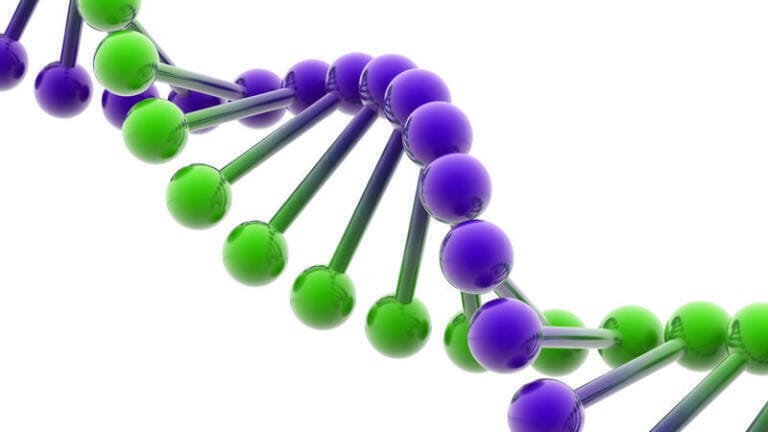
Therapeutic oligos represent an important area of research in the pharmaceutical industry today. These drug candidates are typically 8-50 nucleotides long and contain single-stranded DNA or RNA. Oligonucleotides are typically analysed using ion-pairing chromatography. Oligonucleotides are easily degraded via phosphodiester-cleaving enzymes. However, with a thiophosphate modified phosphate group, the stability significantly increases. Phosphorothioate modified oligos will have a stereocenter at each modified phosphate group, leading to 2n-1 diastereomers, all with an individual retention time in the chromatography. For a 20-nucleotide long oligo, that’s 524 288 species present. The partial resolution of these species results in peak broadening, further complicating chromatographic separation. To resolve the problem, ion-pairing agents with longer alkyl chains can be used.
In a study of the influence of stationary phase and ion-pairing agent on the separation of oligos, Kromasil Phenyl showed to be a very good choice when separating oligonucleotides in general, exhibiting very sharp peaks, and good selectivity.
View these applications on www.kromasil.com/oligos.




 Product directory