
GC, MDGC
Published over 12 years ago. See the latest and most current information on GC, MDGC.
Nitrosamines are highly toxic compounds that can enter the body through consumption of food and drink. It is important that levels nitrosamines in food and drink are accurately monitored as many cancers have been attributed to the exposure of nitrosamines or nitrosamine forming compounds.
Chemicals such as sodium nitrite and sodium chloride are often added to help cure and preserve food. The presence of amines already found in the food in combination with these chemicals can form nitrosamines compounds.
In Brewing Barley undergoes a malting process, the grain if first drenched to make it germinate and then dried in kilns to capture the sugar and flavour compounds for the brewing process. The Heating in the kilns can cause the formation of carcinogenic nitrosamine compounds in the grain, these can then potentially be passed on to the final brewed product. It is therefore essential that any malt used in brewing is checked for nitrosamine levels.
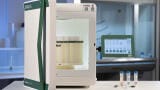
The 800 Series Thermal Energy Analyser (TEA) has been an industry standard for nitrosamine analysis since its introduction thanks to its simple operation, low limits of detection, almost infinite selectivity for nitrogen containing compounds, and considerably lower cost than expensive GC-MS/MS systems. The 800 Series TEA can be interfaced with most common GCs.
For further information click here.

 Product directory











.jpg)


.jpg)
.jpg)