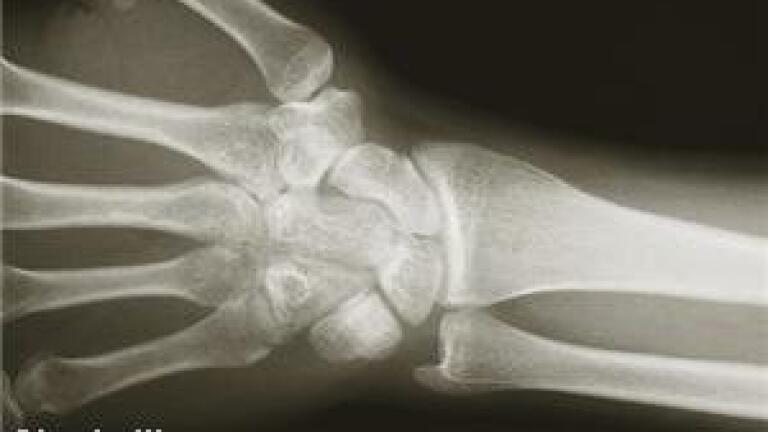
Analysis of human bones can reveal trace elements of toxic materials and dozens of metals, according to research conducted at Chicago's Northwestern University in collaboration with the Russian Academy of Medical Sciences in Obninsk.
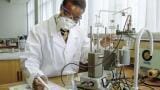
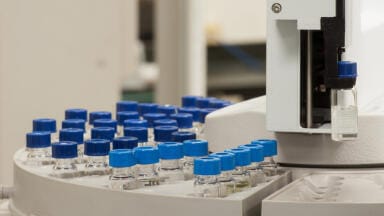
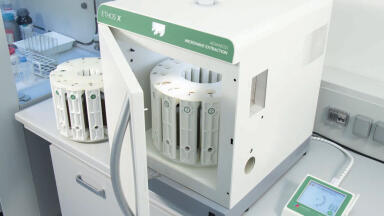
Father and daughter team Vladimir and Sofia Zaichick used instrumental neutron activation analysis and inductively coupled plasma atomic emission spectrometry to inspect ribs in the bodies of 84 Russian citizens who had been healthy up to death.
They found 44 elements contained within the samples that were not part of the bones' main composition - that is, not carbon, hydrogen, oxygen or nitrogen.
"Bone is a tissue in which the turnover of these elements, particularly those that have an affinity for bone, is extremely slow and their biological half-lives are estimated to be from a few years to decades," the pair say.
Among the trace elements found were essential components such as iron and calcium, but also some toxic elements including arsenic and aluminium.
Ms Zaichick works in the Smith Lab at Northwestern University, while her father is based in Obninsk, around 100 km south of Moscow.

 Product directory










.jpg)

.jpg)

.jpg)