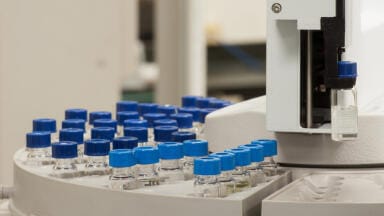
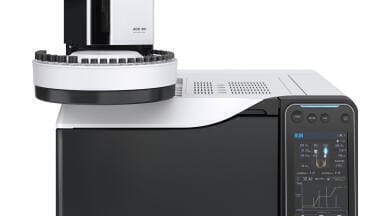
Scientists have used gas chromatography (GS) as part of a study into the ability of Thermus thermophilus HB8 to produce two environmentally-friendly biodegradable products simultaneously.
The team, from the Aristotle University of Thessaloniki in Greece, found that Thermus thermophilus HB8 produces polyhydroxyalkanoates (PHAs) and rhamnolipids (RLs) with the use of either sodium gluconate or glucose as sole carbon source.
In the study, published by AMB Express, the scientists found that low initial phosphate concentrations (up to 5 mM) and long incubation periods created RLs biosynthesis.
However, higher initial phosphate concentrations (up to 25 mM) were more likely to produce biomass and PHAs.
They stated that efficient cultivation processes for the simultaneous production of PHAs and RLs would encourage the use of a range of inexpensive carbon sources containing sugars and fatty acids.
"The establishment of labscale bioreactor experiments that will design in a future project that will include more factors affecting both biosynthetic processes might significantly increase the production of both bio-products, PHAs and RLs," the report said.


 Product directory









.jpg)
.jpg)
.jpg)