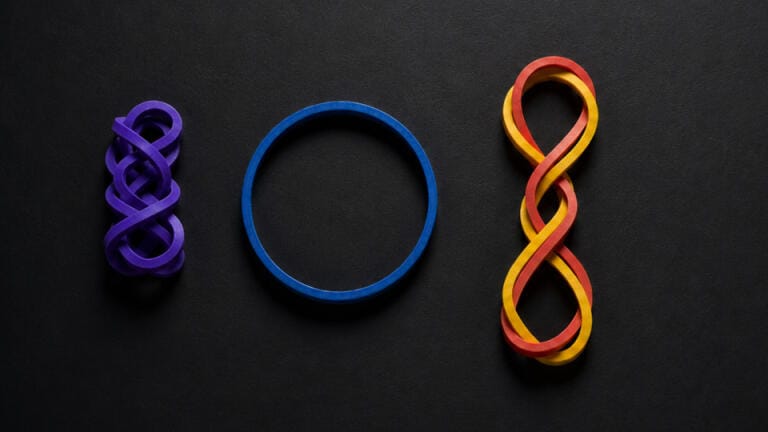
Electrophoretic separations
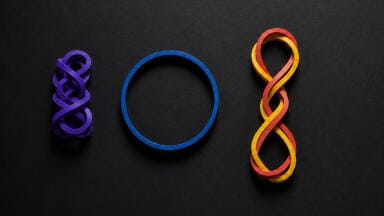
Plasmid DNA (pDNA) is increasingly important in biopharmaceutical applications, where its biological activity depends not only on nucleotide sequence but also on its three-dimensional topology. Reliable differentiation of the topological forms is therefore essential for process development, quality control and stability assessment. This Technical Note based on the publication of Nguyen et al. demonstrates the reliable characterisation of pDNA topological forms using YMC’s BioPro IEX QF column.
Anion-exchange chromatography (AEX) provides a powerful complementary approach to established electrophoretic techniques for analysing pDNA topology. A systematic comparison of different AEX stationary phases showed that the BioPro IEX QF column delivered the most favourable chromatographic performance. Sharp, symmetrical peaks and improved resolution between closely eluting species were obtained, while an additional component could be partially separated from the main peak that remained unresolved on the other tested columns.
Chromatographic conditions were subsequently optimised to maximise resolution while maintaining practical analysis times. Salt composition proved to have a pronounced effect on both retention and selectivity. Among the chloride, bromide and perchlorate salts investigated, potassium chloride provided the highest resolution between the main pDNA peak and the closely eluting adjacent species.
Temperature was another important parameter. Increasing the column temperature from 10 to 60 °C resulted in longer retention and progressively reduced resolution. A temperature of 20 °C therefore provided the most favourable balance between retention and separation performance. In contrast, optimisation of gradient steepness, mobile-phase pH and the addition of acetonitrile offered little or no further improvement in resolution.
Under the optimised conditions, the method produced similar separation patterns for plasmids with different sequences and clearly resolved open circular and multimeric species. Further evaluation across different samples and production lots demonstrated clear differentiation of the major open circular (OC), supercoiled (SC) and multimeric forms, together with consistent chromatographic profiles.
The resulting AEX method therefore provides a robust and reproducible platform for routine pDNA characterisation. With its high separation efficiency and broad applicability, the BioPro IEX QF column offers a versatile analytical tool for monitoring plasmid topology throughout process development, manufacturing and quality control. For enhanced performance, the bioinert YMC Accura BioPro IEX QF column provides an attractive alternative to standard PEEK hardware.

 Product directory















.jpg)
.jpg)