High-resolution capillary electrophoresis with mass spectrometry (CE-MS) has allowed for
quantitative analysis to be conducted of Type 2 diabetes patients undergoing renoprotective therapy.
Microalbuminuria is a condition that occurs when leakages into the urine take place of small amounts of albumin.
In Type 2 diabetic patients, renoprotective treatment is used to prevent the condition progressing to macroalbuminuria - where the amount excreted exceeds 300 mg in a day.
Published in BMC Nephrology, the
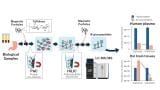
quantitative analysis of treatment using Irbesartan daily for a two-year period indicates that turnover of collagen and associated fibrosis reduction could be among the major benefits of the therapy.
The findings show a significant change in the urinary proteome following two years of daily 300 mg Irbesartan doses, the scientists say.
As a result, they suggest urinary proteome analysis could provide statistically significant results within small testing populations for the potential benefits of intervention with future therapies.





 Product directory