HPLC, UHPLC
Published over 8 years ago. See the latest and most current information on HPLC, UHPLC.
Eating healthily is one of the best methods of staying fit and that we know. Plenty of fresh fruit and vegetables in our diet helps us maintain a healthy lifestyle. But is all fruit and veg equal? There are some known health issues relating to nutrient levels in some fruits and veg, for example, some people have to be wary of eating too many bananas due to potassium levels. But for example, are red apples different to green apples?
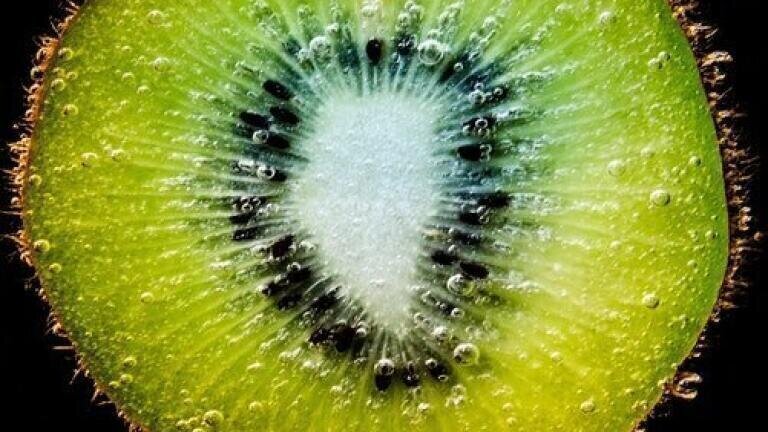
One of the healthiest fruits is said to be the humble kiwi fruit – with significantly more vitamin C than a standard orange. But Chinese researchers have recently reported that not all kiwi fruit are equal when it comes to vitamin C levels. In a paper titled - Ascorbic Acid Content in Five Yellow-Flesh Kiwifruit Genotypes – they report how they used chromatography to analyse the vitamin C content of different kiwi fruit.
Despite their name, kiwifruit originated in China, where the literal translation of its Chinese characters gives the name ‘macaque peach’. It is a fruit originally found along the Yangtze River in northern China and along the coast of eastern China from the genus Actinidia. It was used for medicinal purposes in China and was harvested from the wild rather than cultivated.
It was only at the turn of the twentieth century that it found its way to New Zealand, probably as missionaries to China returned with the seeds. It soon became a popular cultivar in New Zealand and grew easily in the New Zealand environment. The name kiwifruit was adopted when the fruits began to be exported in the 1960s to the US. Kiwifruit is now used as a common name for all commercially grown fruit from the genus Actinidia.
The researchers from Chengdu, China were interested in the levels of ascorbic acid in five different genotypes of kiwifruit. There are now many different types of kiwifruit on the market, bred for different levels of sweetness and even colour. The study in China considered yellow-flesh kiwi and looked at one of the main nutrients kiwifruit are known for - ascorbic acid, or vitamin C.
The team used high performance chromatography to analyse the ascorbic acid content of the different genotypes – liquid chromatography is a method that is continually developing as discussed in the article, 14 Years on from the Introduction of UHPLC. The team found that ascorbic acid levels varied in the different genotypes – suggesting that not all kiwi are equal.
 Product directory