HPLC, UHPLC
Published over 7 years ago. See the latest and most current information on HPLC, UHPLC.
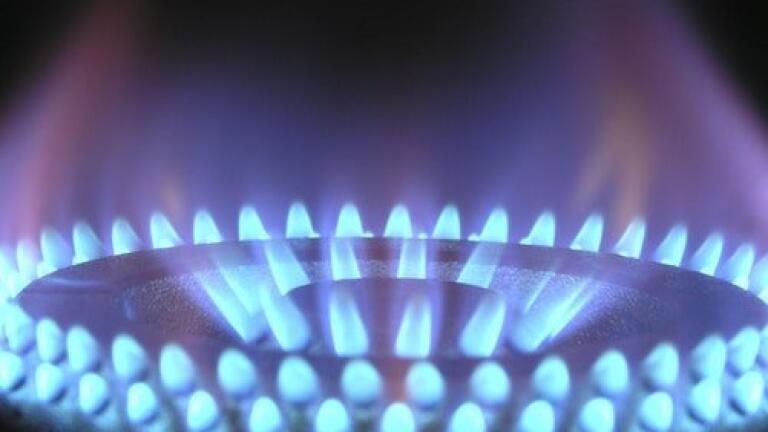
Energy is a key requirement for any society, and how we get our energy is also critical to the future of any society. Currently, fossil fuels provide most of the energy we use, but slowly other energy sources – including renewables – are contributing an increasing amount of the energy we use.
But sources like solar energy, hydro-electric power and wind power require relatively large set-up costs – costs which can be prohibitive in some developing economies. One technology that has a relatively low set up cost and is simple to set up is the use of bio-gas as an energy source. In India, a recent study has looked at the production of biogas as a fuel, Specifically, it looked at which waste stream could produce the most biogas in a simple set up.
Biogas is mainly composed of methane. It is a natural process that occurs in hundreds of landfill sites all over the UK – where in recent years we have started tapping off the methane for use as fuel. But in India, the cheap set up and ready supply of starting materials means that biogas production could be used as a main fuel source, particularly in rural or poor areas of the country.
Biogas is formed by the fermentation of organic matter in the absence of oxygen – an anaerobic digestion by bacteria to form methane and a few other gases including carbon dioxide, hydrogen sulphide. Almost any organic waste can be used – but parameters including pH and temperature affect the gas production. But which is the best waste to use?
Biogas production is a multistep process, with each step catalysed by different bacteria. The basic steps are:
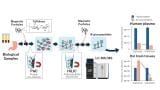
A study in India compared the biogas production from different waste streams including cooked food, cow dung and rice husks. They found that different waste streams produced biogas at different rates – with the gas samples analysed using gas chromatography. Chromatography is a technique commonly used to analyse waste streams as discussed in this article, Analysis of Residual Pharmaceutical and Personal Care Products in River Waters via UHPLC-MS/MS.
The study showed that cooked food waste provided a moderate amount of biogas, much more than rice husks. This is thought to be due to cellulose material in the rice husks. Moisture also influenced the quantity of biogas produced, but the study did show that gas production is viable if the correct feed source is used.



 Product directory