HPLC, UHPLC
Published over 9 years ago. See the latest and most current information on HPLC, UHPLC.
Cyanobacteria are probably one of the most important organisms in the history of the Earth. It was the generation of oxygen by cyanobacteria during the Proterozoic Era that allowed life as we know it to flourish on Earth.
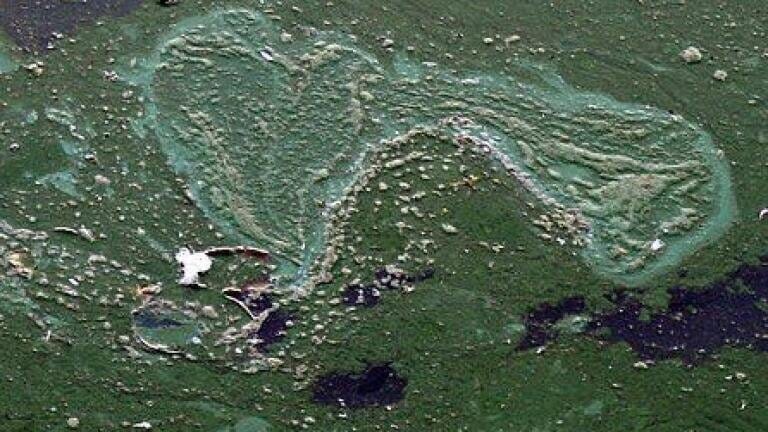
So, our very existence is due to these organisms. But that doesn’t mean they are all good. Cyanobacteria are also associated with harmful algal blooms (HAB) — a rapid increase in blue-green algae in fresh or seawater. So, what exactly are cyanobacteria, how do they differ from algae and how can we stop them taking over?
A simple organism, they are simply blue-green or cyan-coloured bacteria that are also known as blue-green algae — but they aren’t algae. Algae are unicellular eukaryotes — which means they have a nucleus, mitochondria and chloroplasts in each cell (just like us). Cyanobacteria are multi-cellular and prokaryotic — no nucleus and mitochondria.
Algae have a nutrient value that makes them a reasonable food supplement. They have a high fatty acid content and have also been used as biological fuels. Cyanobacteria are good and bad — with some species being the cause of HAB whilst other species are beneficial and are a good source of protein and antioxidants.
But it is the link with HABs that make some cyanobacteria so dangerous. Harmful algal blooms are simply the uncontrolled and rapid growth of cyanobacteria. As the bacteria grow and multiply they can reduce the oxygen content in the water and even reduce the sunlight that reaches under the water’s surface. But it is another aspect of cyanobacteria blooms that causes headlines warning people to keep their dogs and children out of the water.
Cyanobacteria feed on nutrients in the water — using the sun’s energy to power them. But they also produce toxins — cyanotoxins — that pose a risk to humans and animals. Climate change might be increasing the frequency and intensity of HAB too. In Florida, beaches had to close because of the risk to bathers and in September 2016 in Scotland, dog owners were warned to keep pets out of a lake in a country park due to cyanobacteria.
Blooms also affect drinking water supplies too. Microcystin is one of the most common toxins released by cyanobacteria — but it can be difficult to detect and treat in a timely manner by water supply companies. Home filters have been recommended in some parts of the US — and HPLC has been used to create a standard test water that can be used to test and verify filters used to remove microcystin from drinking water. The article, Recent Developments in Support Materials for use in High Performance Liquid Chromatography discusses how HPLC has advanced in the last decade.
But with climate change thought to be the main driver behind the increase in HAB — is there any way we can stop them happening? Perhaps it depends on who becomes President of the US.



 Product directory