HPLC, UHPLC
Published over 10 years ago. See the latest and most current information on HPLC, UHPLC.
Although fracking is over a 100 years old, it is only in the past ten years that it has been seen as a serious contributor to the energy mix — at the forefront of the drive for cheaper energy. But no technology — other than perhaps nuclear — is as controversial as fracking.
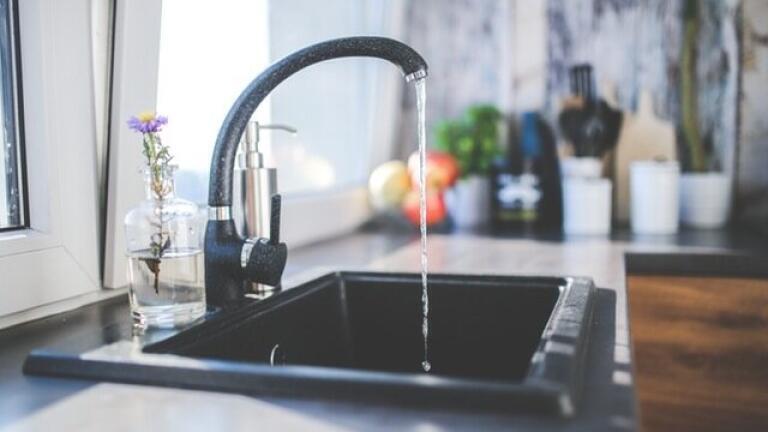
Campaigners have raised myriad of concerns around fracking — from gas coming out of water taps to earthquakes and polluted groundwater. And whilst YouTube videos of people setting fire to the water coming from their taps seems like a good party trick — there are genuine environmental concerns.
The link between fracking and earthquakes is very real — with the UK government issuing a guide explaining the earthquake risks associated with fracking. And — as with any oil or gas operation — there is the possibility of increased VOCs around the site. An issue discussed in the article, The Influence of Oil and Gas Emissions On Ambient Non-Methane Hydrocarbons In Residential Areas.
But what about polluted groundwater? So far there has been no conclusive evidence of fracking affecting groundwater — and subsequently our water supplies. But a recent paper titled ‘Impact to Underground Sources of Drinking Water and Domestic Wells from Production Well Stimulation and Completion Practices in the Pavillion, Wyoming, Field’ and published in Environmental Science & Technology could change that.
Fracking releases the oil and gas from the rocks by fracturing the rocks using a pressurized liquid that is pumped down boreholes to the hydrocarbon containing rocks. The liquid is predominantly water, but contains a wide variety of other materials such as sand (to hold the fractured rocks open) and chemicals — some which are toxic — to aid the process.
Two of the main concerns around water use in fracking are:
One of the problems with testing fracking water is that it can be difficult for commercial laboratories to detect the fracking chemicals — for example methanol. Methanol degrades quickly and so it can be difficult to detect at trace levels. Presence of methanol in the Pavillion water supply could suggest that fracking chemicals had somehow got into the supply.
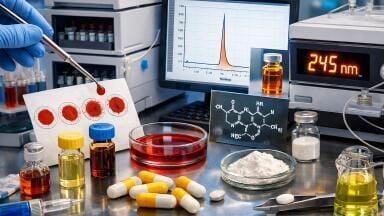
The authors of the report into the Pavillion Field used high performance liquid chromatography to detect methanol in the water supply. In a press release, the lead author Dominic DiGuilio said:
‘It's perfectly legal to inject stimulation fluids into underground drinking water resources. This may be causing widespread impacts on drinking water resources.’
The study is controversial, with companies that operated in the area repeating that the drinking water is safe and that the EPA, Environmental Protection Agency, hasn’t yet finished its own study of the data that the report was based on.
Should we ‘frack’ in the UK?



 Product directory