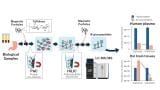
Scientists have developed a new protein-protein interaction to replace current slow methods, including tandem mass spectrometry.
In a study published by BMC Bioinformatics, Haibin Gu, Pengcheng Zhu, Yinming Jiao, Yijun Meng and Ming Chen worked to find an alternative method to elucidate the molecular mechanisms of biomolecular function, signal transductions and metabolic pathways of living organisms.
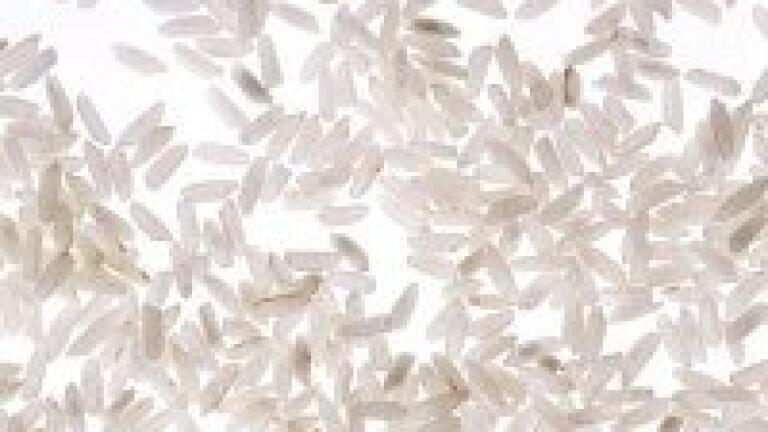
The scientists used a computational approach to predict protein-protein interactions in Oryza sativa based on the interologs of six models where large-scale protein-protein interaction experiments have been applied, namely yeast, worm, fruitfly, human, Escherichia coli K12 and Arabidopsis thaliana.
With certain quality controls, altogether the scientists obtained 76,585 non-redundant rice protein interaction pairs among 5,049 rice proteins, with further analysis revealing that the topology properties of predicted rice protein interaction network are more similar to yeast than to the other five organisms.
In conclusion, the team claimed that Predicted Rice Interactome Network (PRIN) is the first well annotated database for Oryza sativa, suggesting that it will greatly extend current available protein-protein interaction data of rice.




 Product directory