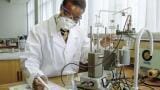
Mass spectrometry has been used to study the increase of cardiovascular mortality among patients with chronic kidney disease (CKD).
The study, published by Proteome Science, stated that although a link between atherosclerosis, which is a major cause of cardiovascular mortality, and kidney dysfunction is undeniable, the factors enhancing CKD-mediated plaque formation are not fully understood.
To increase the awareness of formation, a team of scientists including Magdalena Luczak, Dorota Formanowicz, Elzbieta Pawliczak, Maria Wanic-Kossowska, Andrzej Wykretowicz and Marek Figlerowic carried out a comparative proteomic analysis of blood plasma proteins isolated from 75 patients in assorted stages of renal dysfunction (CKD group), 25 patients with advanced cardiovascular disease (CVD group) and 25 healthy volunteers (HV group).
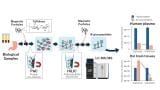
With the use of mass spectrometry, the study revealed that there are at least two different processes that contribute to plaque formation in CKD- and CVD-mediated atherosclerosis, with a more intense inflammatory process seen in CKD patients.
However, it also suggested that there are notable differences in the effectiveness of cholesterol transport in both patient groups.





 Product directory