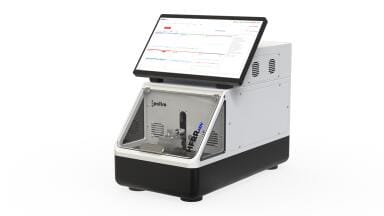
The serine protease inhibitor SERPINE2 has been examined in mice using
liquid chromatography.
Reproductive Biology and Endocrinology carries the research report into how
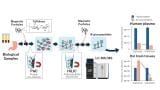
liquid chromatography and tandem mass spectrometry (LC-MS) allowed scientists to purify and identify SERPINE2 from mouse seminal vesicle secretions.
The substance is part of the serine protease inhibitor superfamily and is also known as protease nexin-1 and glia-derived nexin.
It has implications in tissue remodelling and is linked with modulation of plasminogen activator (PA) activity, the researchers say.
With their recent research findings, they were able to show evidence for major PA activity of SERPINE2 in the uterus and placenta throughout reproduction.
"It may participate in the PA-modulated tissue remodelling process in the mouse placenta and uterus," they add.
Reproductive Biology and Endocrinology serves as a forum for high-quality reproductive sciences research findings to be disseminated to the world's fraternity of gynaecologists, developmental biologists and reproductive endocrinologists.





 Product directory