Neurological diseases may be a consequence of molecular activity involving the 56 kDa truncated form of collapsin response mediator protein-2 (CRMP-2-deltaC), research using
liquid chromatography suggests.
Fumiko Shinkai-Ouchi and colleagues from the National Institutes of Infectious Diseases and Health Sciences in Japan used
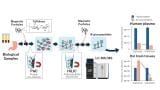
liquid chromatography with tandem mass spectrometry to analyse CRMP-2-deltaC.
Their findings, published in Proteome Science, report that the sequence of code from serine 518 until the C terminus - including areas crucial to regulating axon growth - was missing.
Over-expression of the protein led to a mimicking effect in neurite branch tips comparable with the full-length protein.
They note that C-terminal truncations in CRMP-2 have already been linked with neurodegenerative disorders and now can be connected with prion diseases.
"Prion diseases are fatal neurodegenerative disorders that accompany an accumulation of the disease-associated forms of prion protein, PrPSc, in the central nervous system," the researchers write.
Proteome Science addresses all aspects of structural and functional proteomics with the publication of manuscripts reporting on developments and findings worldwide.





 Product directory