HPLC, UHPLC
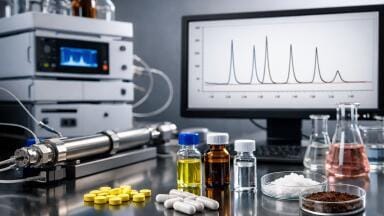
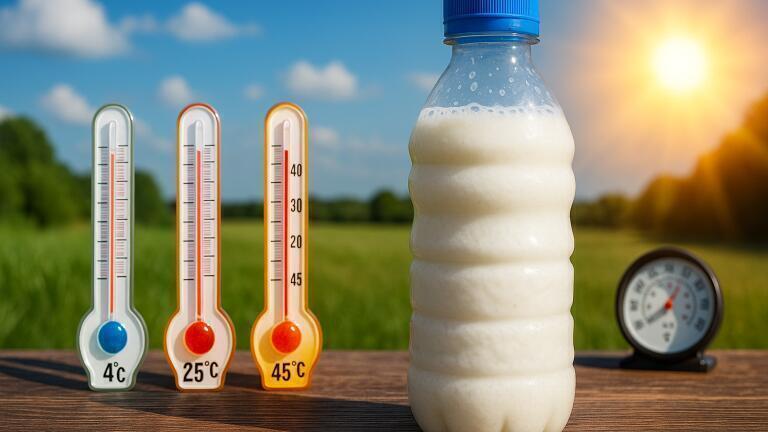
This study investigated the migration of bisphenol A (BPA) from polyethylene terephthalate (PET) bottles into Iranian yogurt drink (Doogh), under different storage conditions and assessed the associated health risks. Three doogh brands were analyzed under different temperatures (4 °C, 25 °C, 45 °C), storage time (7–60 days), and light conditions (direct sunlight vs. shade), with BPA concentrations measured using solid-phase extraction (SPE) and high-performance liquid chromatography (HPLC-UV). Results showed that higher temperatures (e.g., 0.139–0.160 mg/L at 4 °C vs. 0.269–0.318 mg/L at 45 °C), longer storage (e.g., 0.107–0.115 mg/L at 7 days vs. 0.217–0.238 mg/L at 60 days), and direct sunlight exposure (e.g., 0.174–0.194 mg/L in shade vs. 0.304–0.340 mg/L in sunlight) significantly increased BPA migration (p < 0.0001). While BPA concentrations varied significantly between brands, probably due to differences in packaging materials, Doogh formulations, or production processes, the trend of impact from storage conditions was consistent. Despite the observed increases in BPA under adverse storage conditions, the hazard quotient (HQ) for both children and adults remained < 1 (threshold limit) in all tested scenarios. However, unfavorable storage conditions (high temperature, prolonged storage, sunlight) resulted in an increase in HQ compared to optimal storage (cool, short-term, shaded). Despite the current low risk, the study emphasizes the importance of proper storage of products, including refrigeration, minimisation of duration and avoidance of sunlight. It also recommends safer packaging options and educating consumers about optimal storage practices to reduce BPA exposure.
Bisphenol A (BPA) is an industrial chemical produced in large quantities worldwide and is commonly used intentionally (intentionally added substances-IAS) as a monomer in the synthesis of polycarbonate (PC), a plasticizer in the production of epoxy resins, and an additive in the production of polyvinyl chloride (PVC)1. This substance is widely used in packaging materials, including plastic containers, kitchenware, and the inner lining of cans that have direct contact with food. The widespread use of BPA in packaging has raised significant concerns about its potential migration into food products and human exposure to this substance2, because this compound is not chemically bound to the polymer matrix and can easily migrate into the food it contacts throughout its life cycle, even under improper storage conditions3,4. From a health perspective, based on the results of a review study5; BPA is concerning due to its estrogen-like properties and its ability to act as an endocrine-disrupting chemical (EDC). This substance is associated with reproductive problems, premature puberty, hormone-dependent tumors (breast and prostate cancer), and abnormalities including menstrual cycle irregularities, fertility disorders, endometriosis, polycystic ovary syndrome (PCOS), and more. Furthermore, exposure to BPA has been linked to diabetes, obesity, epigenetic effects, impaired immune system function, increased risk of cardiovascular diseases, thyroid dysfunction, and kidney disease. The health risks of BPA do not end here and, through transgenerational epigenetic mechanisms, it can also affect future generations, meaning its effects can persist in the population for decades.
Among the various materials used in the production of beverage bottles, polyethylene terephthalate (PET), a semi-crystalline polymer with a high molecular weight, is widely used for packaging beverages because it possesses desirable physical properties, including strength combined with lightness, transparency, and durability3,6,7,8. Additionally, PET exhibits good barrier properties against gases and moisture, which helps preserve the quality and extend the shelf life of packaged beverages. Furthermore, PET is highly recyclable and contributes to sustainability efforts7,9. To enhance the strength, lifespan, and transparency of PET, phthalates (PAEs) or other inorganic species (e.g., Sb2O3 for synthesis) are commonly used as IAS in the production of PET bottles3,10.
However, in addition to IAS7,11, some non-intentionally added substances (NIAS) may also be found in plastic products, the source of which is uncertain1,12. Although PET is generally considered free of BPA due to its production process, various studies have shown that BPA is indeed present in bottled beverages stored in PET12,13,14, indicating potential contamination during production processes or from other sources6,7. This phenomenon is mainly attributed to several factors, including process contamination during the manufacturing process, water source, bottle cap, environmental pollutants, and recycling processes in the production of PET materials3,7,15. This is further supported by studies that have shown BPA contamination in bottled water in different geographical locations, indicating that this problem is not limited to specific regions and is a multifaceted contamination14,16,17,18. The role of recycling in the contamination of PET bottles cannot be ignored. Research has shown that recycled PET may contain residual BPA from previous uses, which can then leach into new products17,19. Furthermore, according to some studies, environmental factors such as exposure to high temperatures and longer storage times potentially lead to higher concentrations of migrated chemical compounds11,20. For example, the study by Baz et al.20 showed that BPA concentration levels in bottled water samples increased from 9.46 ng/L at room temperature to 16.13 ng/L and 14.7 ng/L after the samples were exposed to sunlight and a boiling water bath, respectively. Massahi et al.11 also reported increased migration of PAEs at higher temperatures (40 °C) compared to lower temperatures (4 °C) (p < 0.05). The implications of these findings are significant, as they indicate that consumers may unintentionally ingest BPA from PET bottles and experience its health effects, and this may even be influenced by storage conditions.
Doogh (yogurt drink), a traditional Iranian fermented dairy beverage prepared from diluted yogurt, constitutes an important part of daily beverage consumption in Iran. This acidic drink is usually flavored with dried mint, rose petals, or other spices and provides high-quality protein, vitamins, calcium, and minerals. Doogh is also considered a good source of probiotics, which may contribute to gut health and improve the immune system. This traditional drink is currently very popular and has gained recognition in other countries besides Iran21,22. Currently, PET bottles are widely used for packaging doogh due to their unique properties and are stored under various conditions. The idea of how serious the risk of BPA is in bottled doogh is now being reinforced. Previous studies have investigated the chemical migration of BPA into dairy products and yogurt-based drinks, and packaging, processing equipment, and storage tanks have been identified as potential sources of contamination23. However, so far, no study has been conducted regarding the investigation of BPA in bottled doogh under different storage conditions.
Therefore, although PET bottles are often marketed as BPA-free, the evidence mentioned above suggests that BPA can still be present in the composition of these bottles and the doogh itself due to various contamination routes. Considering the widespread consumption of doogh in Iran and the potential health risks associated with BPA exposure, along with evidence suggesting that storage conditions affect the release of compounds from bottle materials, there is an urgent need to investigate the migration of BPA into this traditional beverage. The aim of this pioneering study is to investigate the effects of various storage conditions, often encountered by consumers or sellers, on the migration of BPA from PET bottles into doogh for the first time. In addition, by conducting a human health risk assessment, this research aims to provide valuable insights for consumers, manufacturers, and regulatory agencies regarding the safety of consuming doogh from PET bottles.
To read the complete article click here:
http://creativecommons.org/licenses/by-nc-nd/4.0/

 Product directory