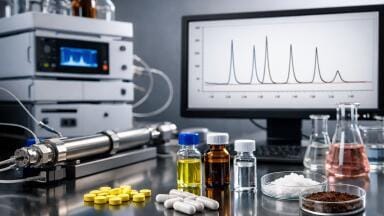
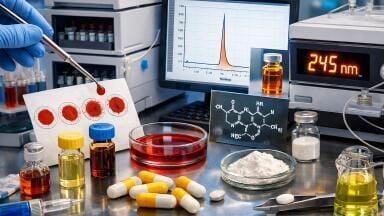
High performance liquid chromatography (HPLC) has been used to examine the effects of Silymarin on the hepatitis C (HCV) 3a core gene.
This experiment was geared at finding a more effective treatment for HCV, with the scientists highlighting that the current regimen cures only half of patients - in part due to high cost, as well as the onset of side effects.
The study was published in the Virology Journal, which releases open access articles and research after they have been reviewed by peers.
Analysed by "transiently transfecting the liver cells with HCV core plasmid", the effects of Silymarin on the HCV 3a core gene were investigated.
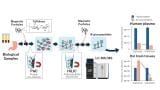
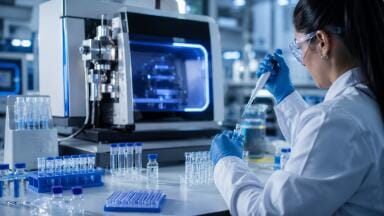
Meanwhile, HPLC - in combination with column and thin layer chromatography - were used to identify active ingredients.
The scientists concluded that Silymarin, as well as its fractions, could be a more effective treatment of HCV than the current regimen because it inhibits the HCV 3a core gene.





 Product directory