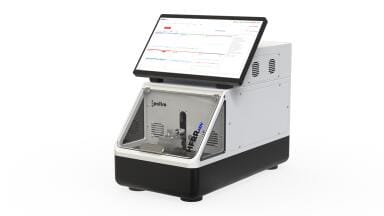
Scientists used
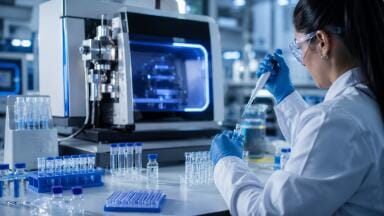
high performance liquid chromatography (HPLC) in a study into vitamin A deficiency (VAD) in women of reproductive age in South East Asia and Africa.
VAD has been highlighted as a major health problem in the area but no research presently exist which determine the effect HIV infection may have on the vitamin A levels of pregnant women.
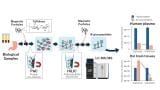
The study, published by BMC Public Health, took blood samples from 423 pregnant women and from 55 healthy volunteers and used HPLC to determine vitamin A levels.
Scientists found that, after controlling for demographic variables, VAD is lower in pregnant women without HIV infection.
The results were similar among those who were not carrying a child - almost half of non-pregnant women with HIV infection had VAD, while only 28 per cent controls were deficient for vitamin A.
As a result of the study, the scientists said that considering the implications of VAD in pregnancy, supplements should be provided to all expectant mothers.




 Product directory