Researchers at the University of Louisville in Kentucky have used
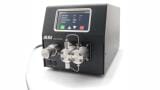
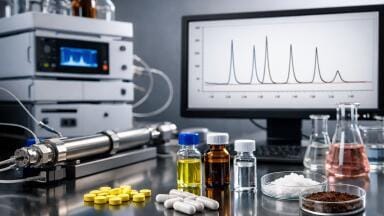
high performance liquid chromatography (HPLC) in the study of hyperhomocysteinemia (HHcy) in diabetic cardiomyopathy.
Published in Cardiovascular Diabetology (CVD), the study recounts the use of HPLC to measure homocysteine levels in test subjects, with HHcy assessed as a result of this.
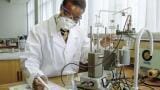
In order to undertake HPLC, the scientists withdrew blood from the dorsal aorta of the mice involved in their research.
This was centrifuged at four degrees C for ten minutes at 5,000 rpm to separate the clear plasma, which was then stored at -80 degrees C before being analysed.
According to the researchers, homocysteine which developed within the mice worsened their diabetic cardiomyopathy, with diastolic dysfunction - a stiffness of the ventricles of the heart - seen to occur as a result.
CVD is an open-access, peer-reviewed journal which offers insight into research advances in the study of interactions between diabetes and the cardiovascular system.





 Product directory