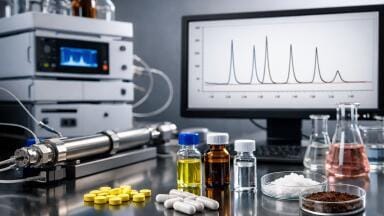
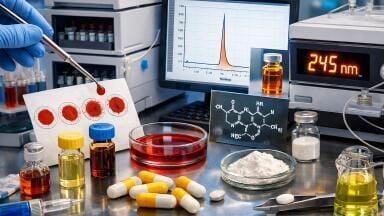
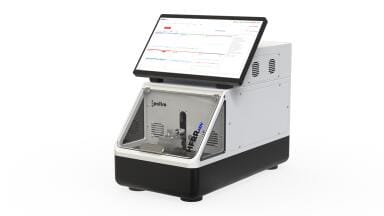
Delivery of chlorhexidine digluconate (CHG) into the skin for antiseptic purposes has been examined using high-performance liquid chromatography (HPLC).
The research, published in BMC Infectious Diseases, was conducted by a team including scientists from Aston University, the University of Huddersfield and University Hospitals Birmingham NHS Trust.
Using HPLC, they examined the concentration of CHG in micrograms per milligram of skin at a depth of 1,500 microns.
Greater penetration can lead to improved biocide contact and enhanced antiseptic effect, they explain.
When CHG was delivered at a concentration of two per cent in ten per cent eucalyptus oil and 70 per cent isopropyl alcohol, a significant rise in penetration was detected.
This occurred in as little as two minutes after application and could indicate a way to improve CHG's efficacy and overcome its usually poor infiltration of the lower layers of the skin.
BMC Infectious Diseases carries the latest research discoveries in the diagnosis and prevention of conditions including sexually transmitted illnesses.





 Product directory