A novel fumarase protein named FumF has been studied using
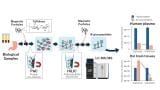
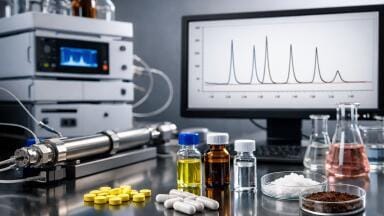
high performance liquid chromatography (HPLC) to confirm its catalysis of the hydration process of fumarate to form L-malate.
This is one of the key applications of fumarase alongside its use in amino acid metabolism and the tricarboxylic acid cycle.
Writing in Microbial Cell Factories, scientists in Guangxi University explain how HPLC allowed them to confirm that the novel protein has the catalysing activity common to the fumarase family.
The periodical specialises in research findings that indicate the use of microbial cell structures as a means of generating recombinant proteins and natural products.
In the case of FumF, the team were able to demonstrate maximum catalysis occurring at 55 degrees C.
This indicates that the protein could be ideal for use in higher temperature conditions for industrial creation of L-malate from fumarate, the scientists write in the conclusion of their paper.





 Product directory