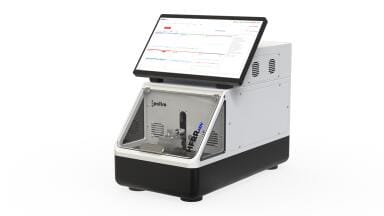
High performance liquid chromatography has revealed cinnamon as an unlikely inhibitor of tumour cell activity that could ultimately have anti-cancer applications.
A research report from scientists including representatives of the Gwangju Institute of Science and Technology (GIST) looks at Cinnamomum cassia bark extracts from the evergreen family Lauraceae.
These contain tannin, mucus and carbohydrate, as well as essential oils including cinnamyl aldehyde and cinnamic aldehyde.
It is these latter extracts that the team were keen to investigate, using
high performance liquid chromatography to look into the believed anti-cancer properties associated with cinnamon.
They discovered in both in vivo and in vitro mouse models that cinnamon extract can promote apoptotic activity, suggesting that the compounds could have applications in therapies for cancer patients of a number of different types as part of efforts to combat tumour growth.
GIST is a research-oriented university which claims to have reached a high level of standing on the world stage despite its history of less than two decades in operation.





 Product directory