The use of
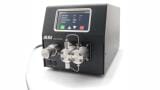
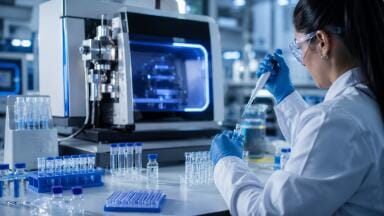
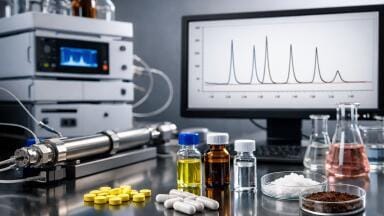
high performance liquid chromatography (HPLC) has been introduced to test for toxins in shellfish.
Food Standards Agency research carried out by the Centre for Environment, Fisheries and Aquaculture Science (CEFAS) has developed the new testing method, doing away with the need to test on mice.
The new HPLC method for use on oysters and scallops has been found to be just as effective as testing for toxins that cause illnesses in humans than the previous process of using a bioassay, which involved the use of mice and reflects the Agency's commitment to reducing the use of animal testing where alternatives are available.
HPLC will now be used on the testing of all commercially important shellfish, including whole king and queen scallops, oysters and four additional clam species.
"The Agency places great importance on reducing the use of mice in laboratory testing. It has taken many years of research to ensure the new chemical test is as effective at protecting public health as its predecessor. This effort has been worthwhile," said Liz Redmond, Head of Hygiene and Microbiology at the Agency.

 Product directory