HPLC, UHPLC
Published over 14 years ago. See the latest and most current information on HPLC, UHPLC.
Criminal activity is responsible for poor quality vital anti-malarials in Africa.
According to a team from Tanzania, treatment of plasmodium falciparum malaria is more difficult than it ought to be, as a key component of controlling the virus is having a high availability of good quality artemisinin-derivative based combination therapy (ACT) at the correct dose.
The team, however, stated that reports from Africa suggest this is not being provided.
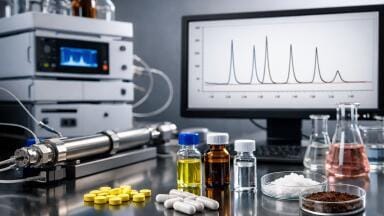
Using high performance liquid chromatography processes, the researchers found that a number of the key ingredients in ACT and anti-malarials found in suspicious quantities in and en route to Africa were counterfeit, substandard or degraded.
"Criminals are producing diverse harmful anti-malarial counterfeits with important public health consequences. The presence of artesunate monotherapy, substandard and/or degraded and counterfeit medicines … will engender drug resistance," the team claimed.
The researchers stated that greater investment is needed in the area to ensure the quality of ACT and warned that the International Health Regulations may need to be invoked.
Posted by Ben Evans




 Product directory