Electrophoretic separations
Published over 14 years ago. See the latest and most current information on Electrophoretic separations.
Posted by Neil Clark
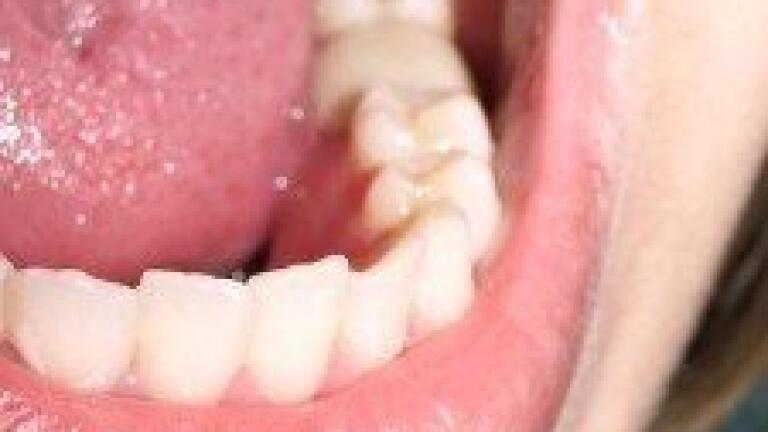
Scientists have used quantitative analysis processes to clarify the clinical and functional changes of the salivary glands driven by autoimmune and lymphoproliferative processes.
In a study published by the Journal of Translational Medicine, scientists from the Department of Internal Medicine at the University of Pisa, noted that human proteomic has represented a promising tool to promote the communication between basic and clinical science for several years.
As part of the study, a proteomic approach was used to analyse the whole saliva of a patient with primary Sjogren's Syndrome (pSS) and non-Hodgkin's-MALT type parotid lymphoma before, during and after a standard treatment with cyclophosphamide (CTX) and rituximab (RTX).
The results obtained from the saliva study indicated that there were a number of qualitative and quantitative modifications.
To conclude, the report stated that clinical and functional changes in saliva are driven by autoimmune and lymphoproliferative processes, "shedding new light on the potential usefulness of salivary proteomic analysis in the identification of prognostic and therapeutic biomarkers".

 Product directory