Scientists have used
gas chromatography-mass spectrometry (GC-MS) processes to determine the effects of methanolic extraction of Tualang honey on human keloid fibroblasts.
In a study, published by BMC Complementary and Alternative Medicine and undertaken by a team in Malaysia, the scientists explained that keyloid is a type of scar tissue which spreads beyond the boundaries of the original wound, invading the surrounding skin.
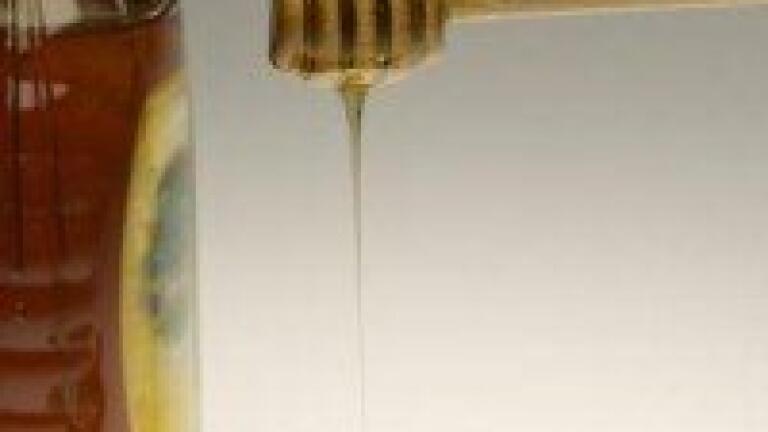
Tualang honey has been considered a potential treatment for keloid fibroblasts, with the investigation aiming to identify the antiproliferative effect of methanolic extraction of Tualang honey to primary human keloid fibroblasts.
It also sought to identify the volatile compounds in methanol extraction of Tualang honey.
Using GC-MS, the team analysed the extracted samples of normal and keloid fibroblasts treated with Tualang honey.
The scientists found that Tualang honey does have an antiproliferative effect on keloid fibroblasts which may involve cell signalling pathways.
They suggested that further work be carried out in the future to identify other volatile compounds from different organic solvents.


 Product directory















.jpg)


.jpg)

.jpg)